
AI Brand Photos vs. a Personal Branding Photo Shoot: What Helps, What Hurts, and What Builds Trust
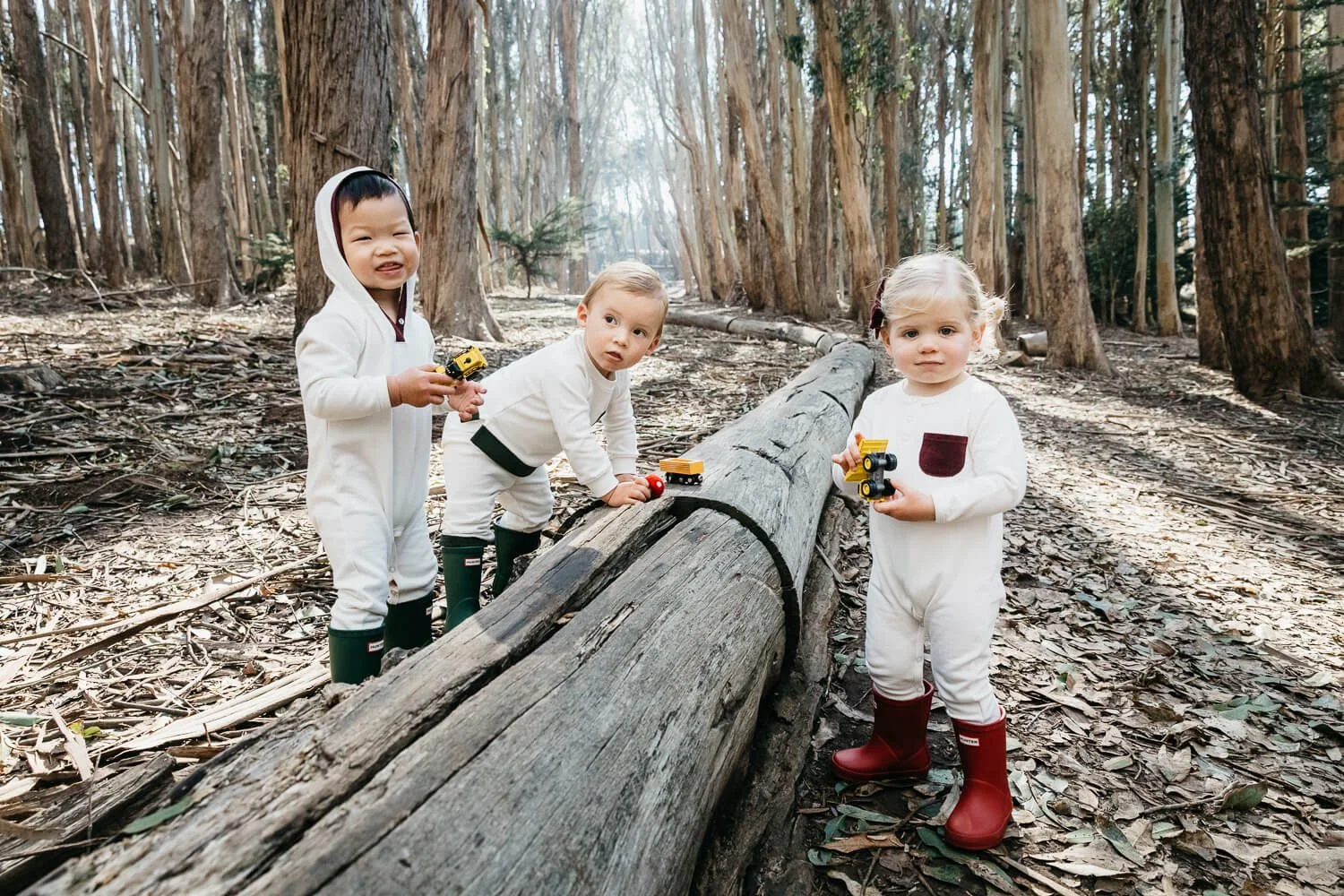
Branding session for children’s clothing brand, Ellis Littles, based in San Francisco.
AI is everywhere right now and small businesses use it in a variety of ways. With the right prompting, you can get help writing captions, generating mood boards, editing images, even creating fully AI generated images. People have lots of feelings about whether that last bit feels “right”, but here we are. If you’re a small business owner, your next thought might be:
Can AI help with brand photos? Is it a shortcut I should be using?
The short answer is yes. AI can help create some types of brand photos. The more nuanced answer is not exactly. AI generated photos are not a replacement for a real personal branding photo shoot. Let’s break down where AI shines, where it falls flat, and how to use it wisely without losing the real heart of your brand.
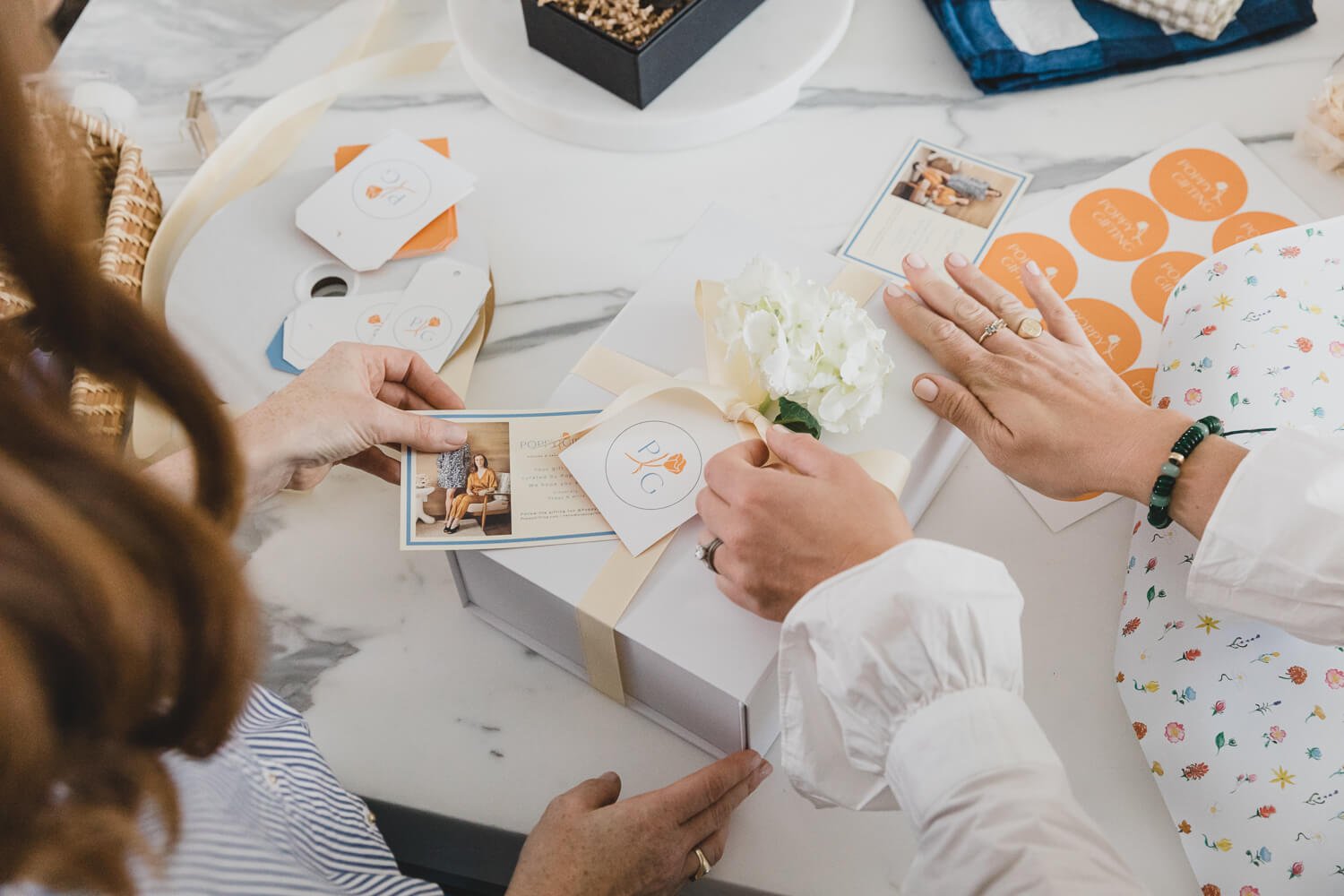
Brand photo session for small local business, Poppy Gifting.
Where AI Can Help Your Overall Brand Strategy
1. Clarifying Your Brand Vision
One of the best uses of AI happens before the photo session ever begins.
AI tools can help you:
Define your brand personality (polished vs. playful, bold vs. understated)
Clarify your target audience
Brainstorm brand identity elements
Create mood boards and other visual references
For anyone who feels paralyzed when trying to get started, AI can be immensely helpful and sparking ideas. This can help your brand vision feel more concrete. But, a word of caution: you should think of AI here as a creative sounding board, not the creative director.
2. Content Planning for Branding Photos
While we want our branding photos to look good, they also need to be effective visual content.
AI tools can help you:
Plan what types of images you’ll need (website, social accounts, email marketing, printed material)
Identify content gaps in your current visuals
Generate shot list ideas based on your marketing goals
This can be especially helpful for small business owners who don’t have a marketing background or team but still want to be strategic with their visuals. AI does a great job in helping you be more strategic and intentional about the types of photos you need.
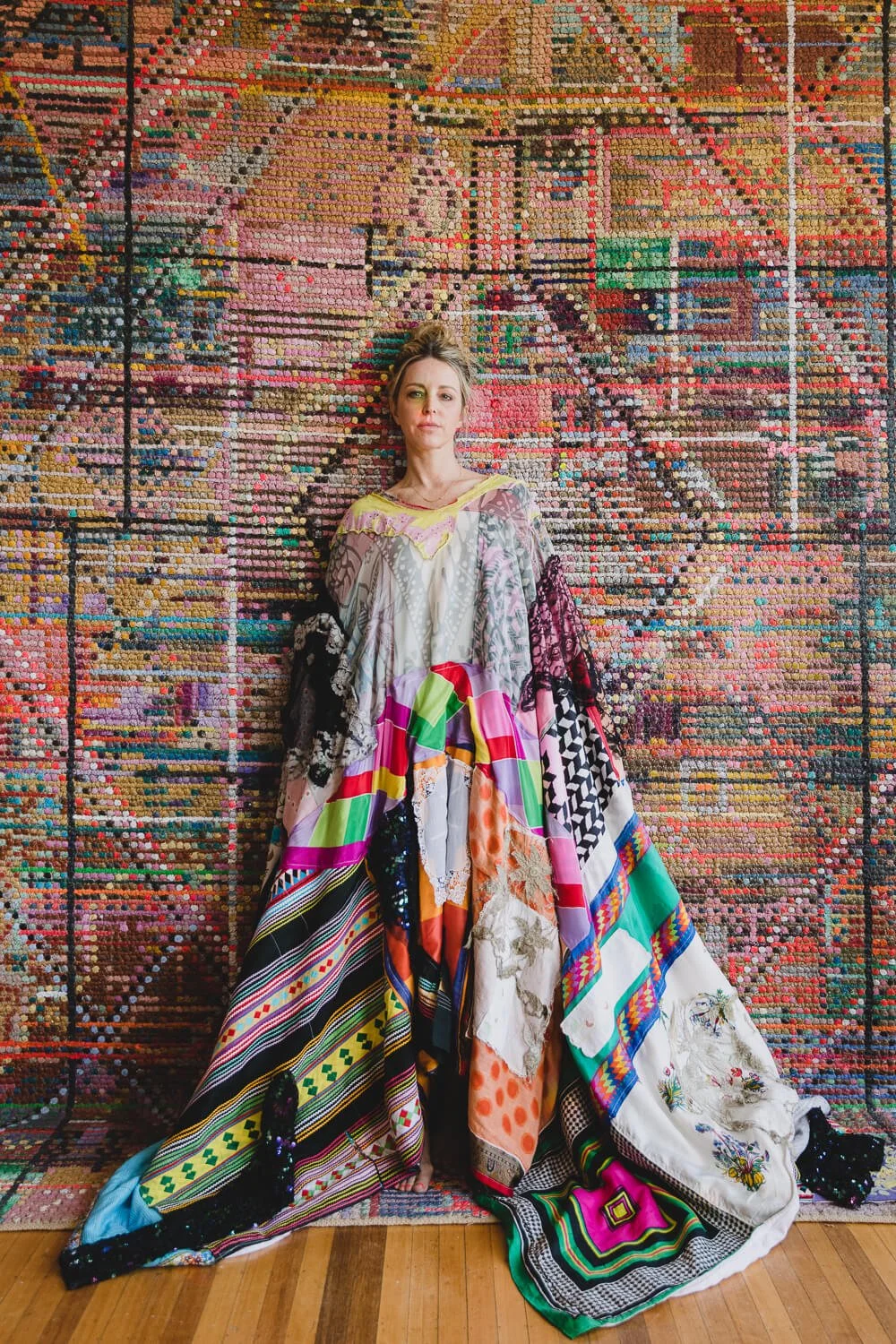
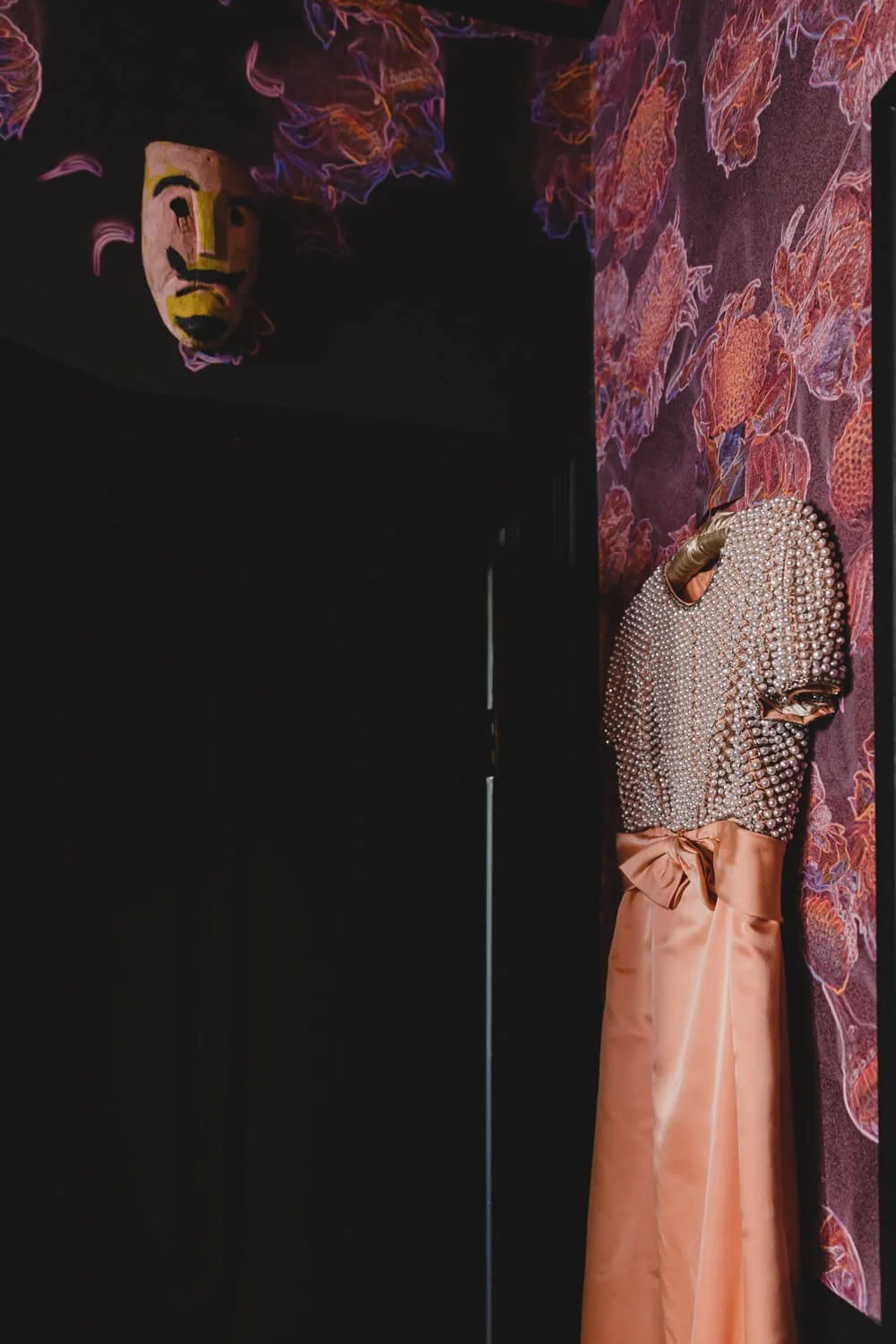
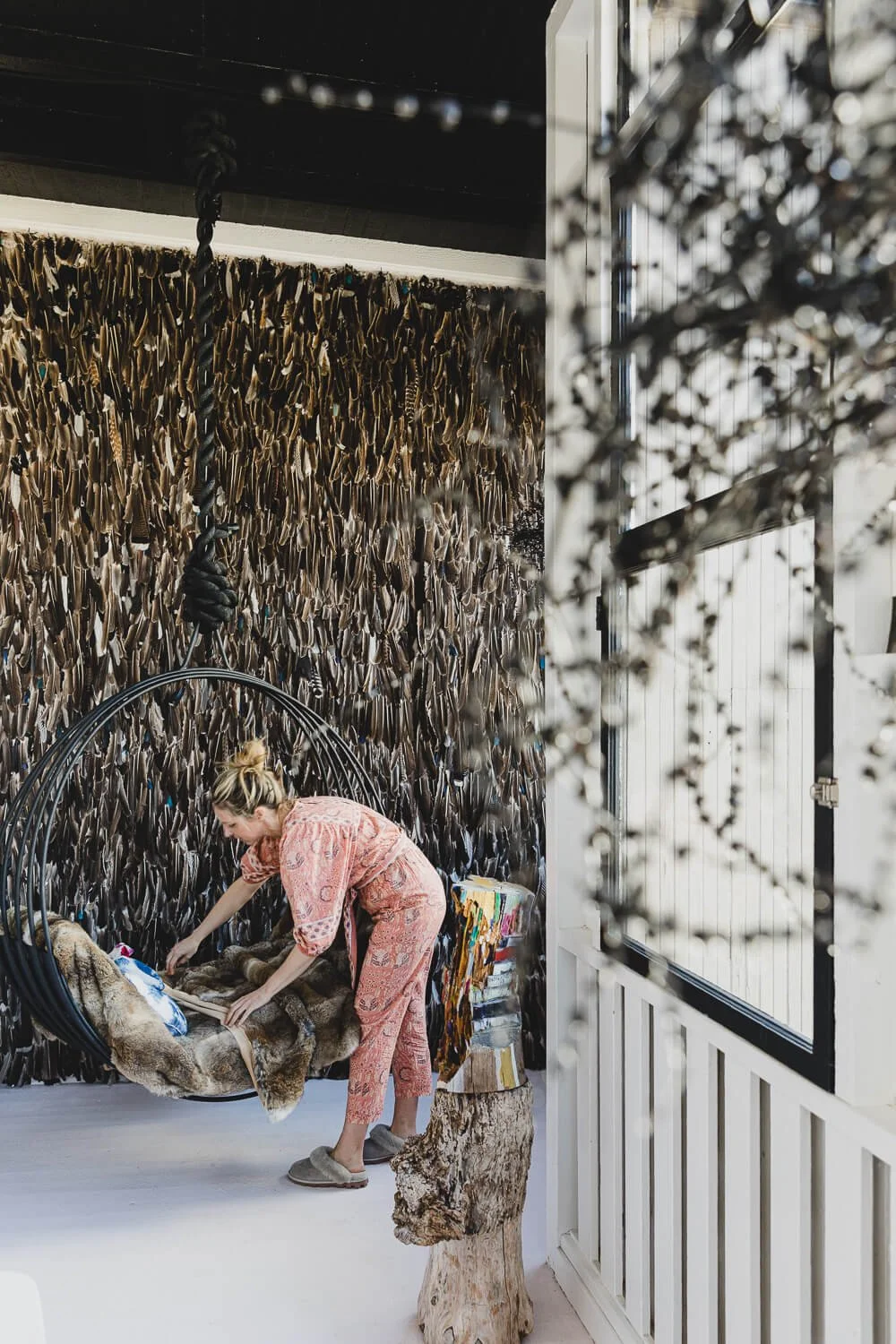
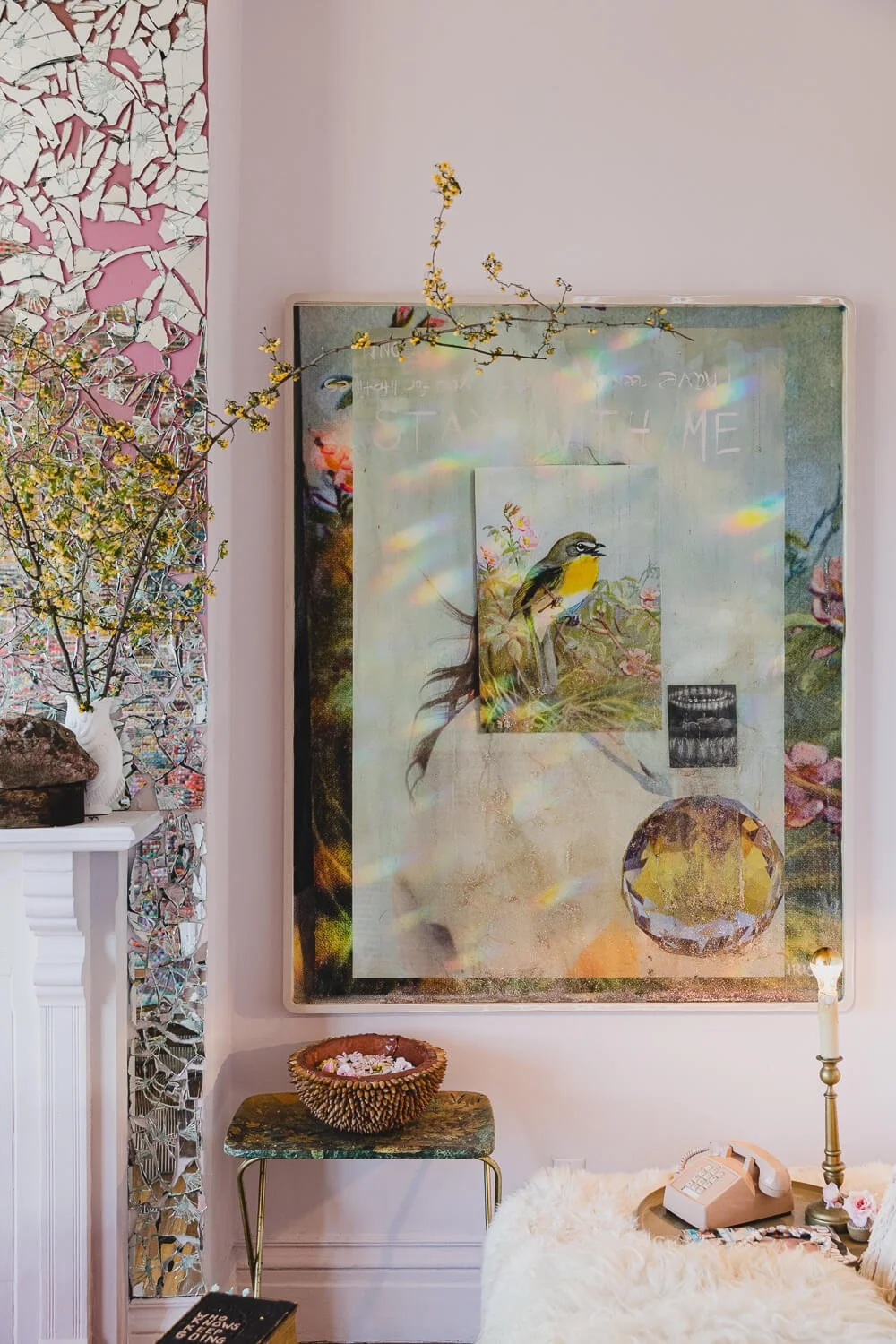
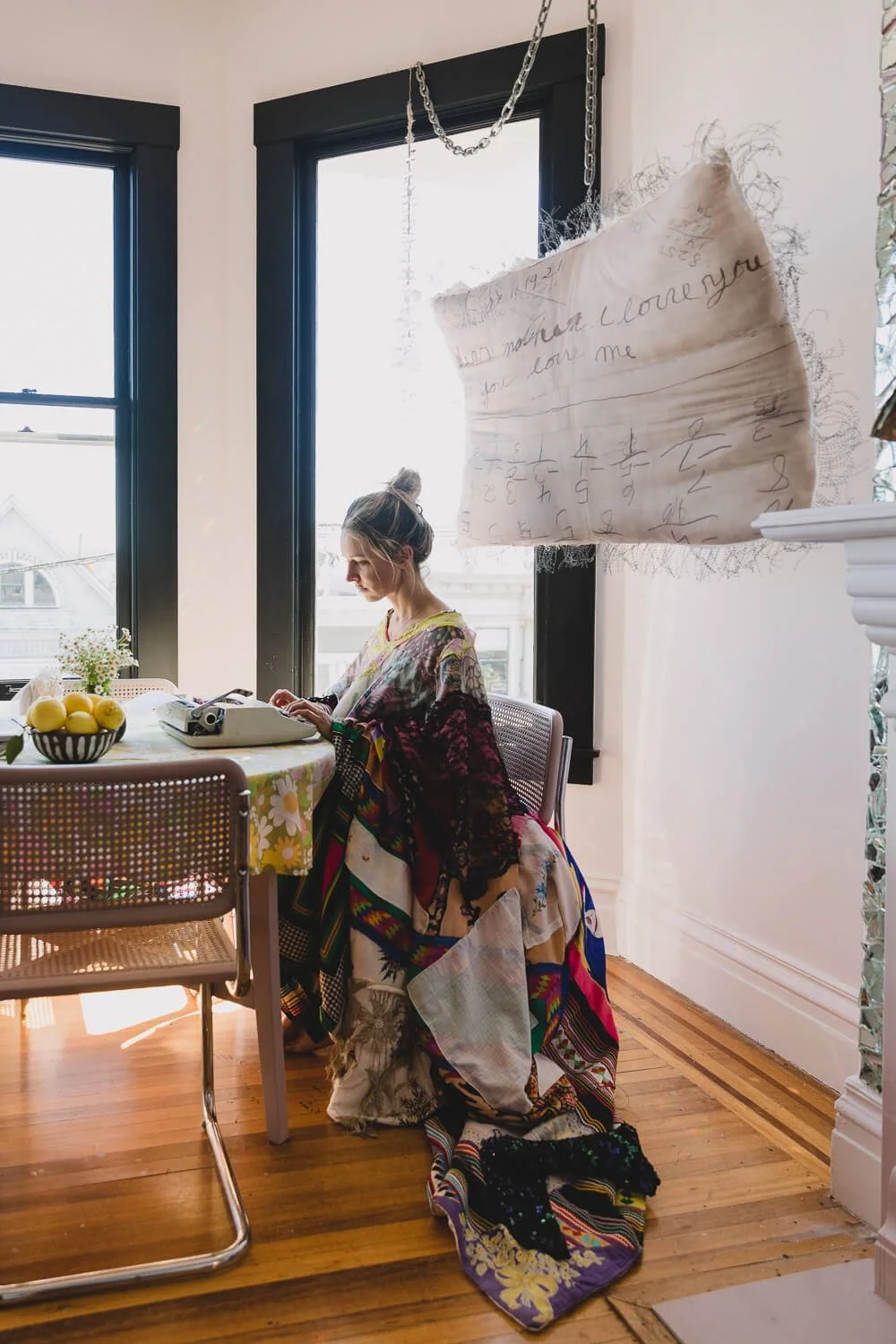
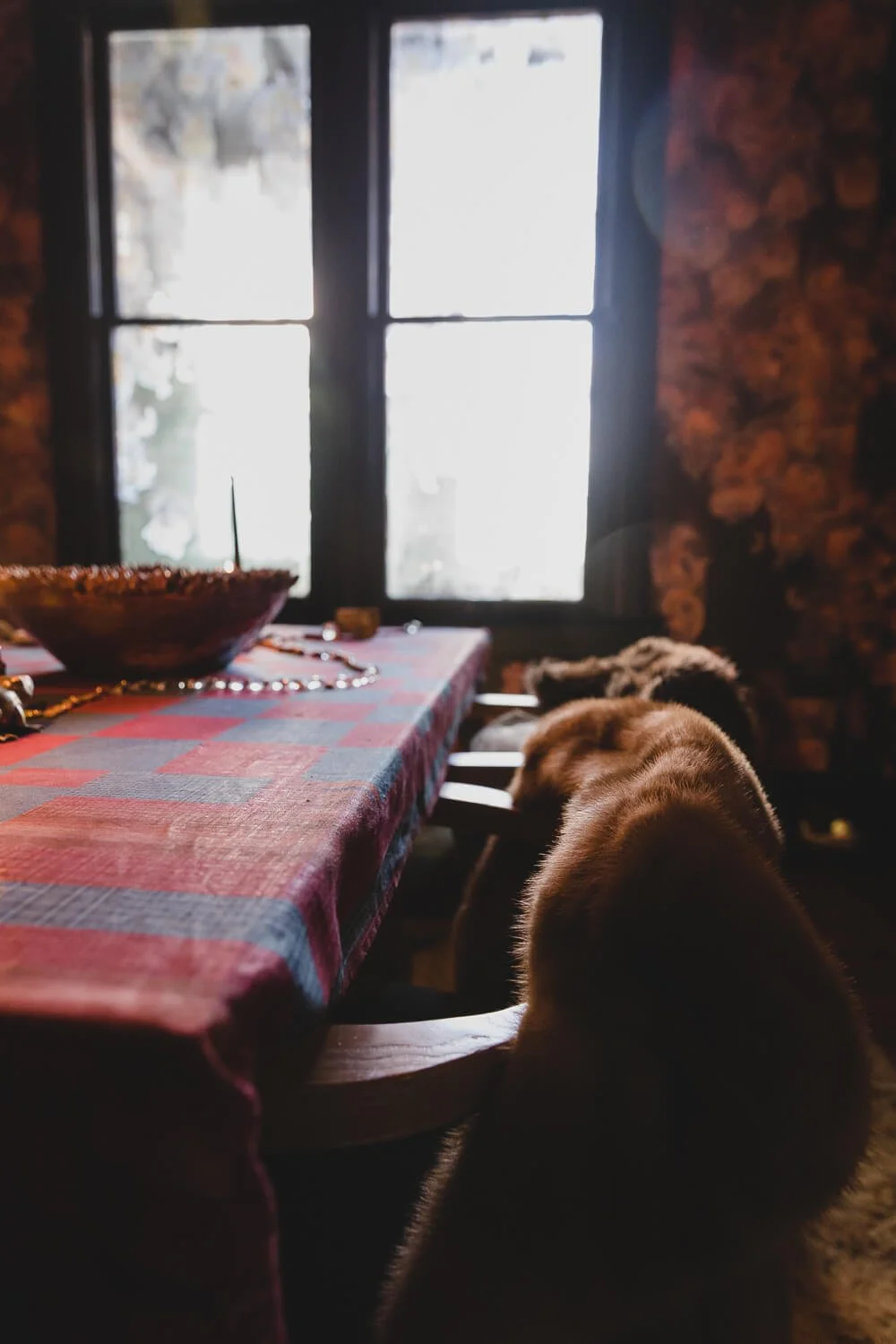
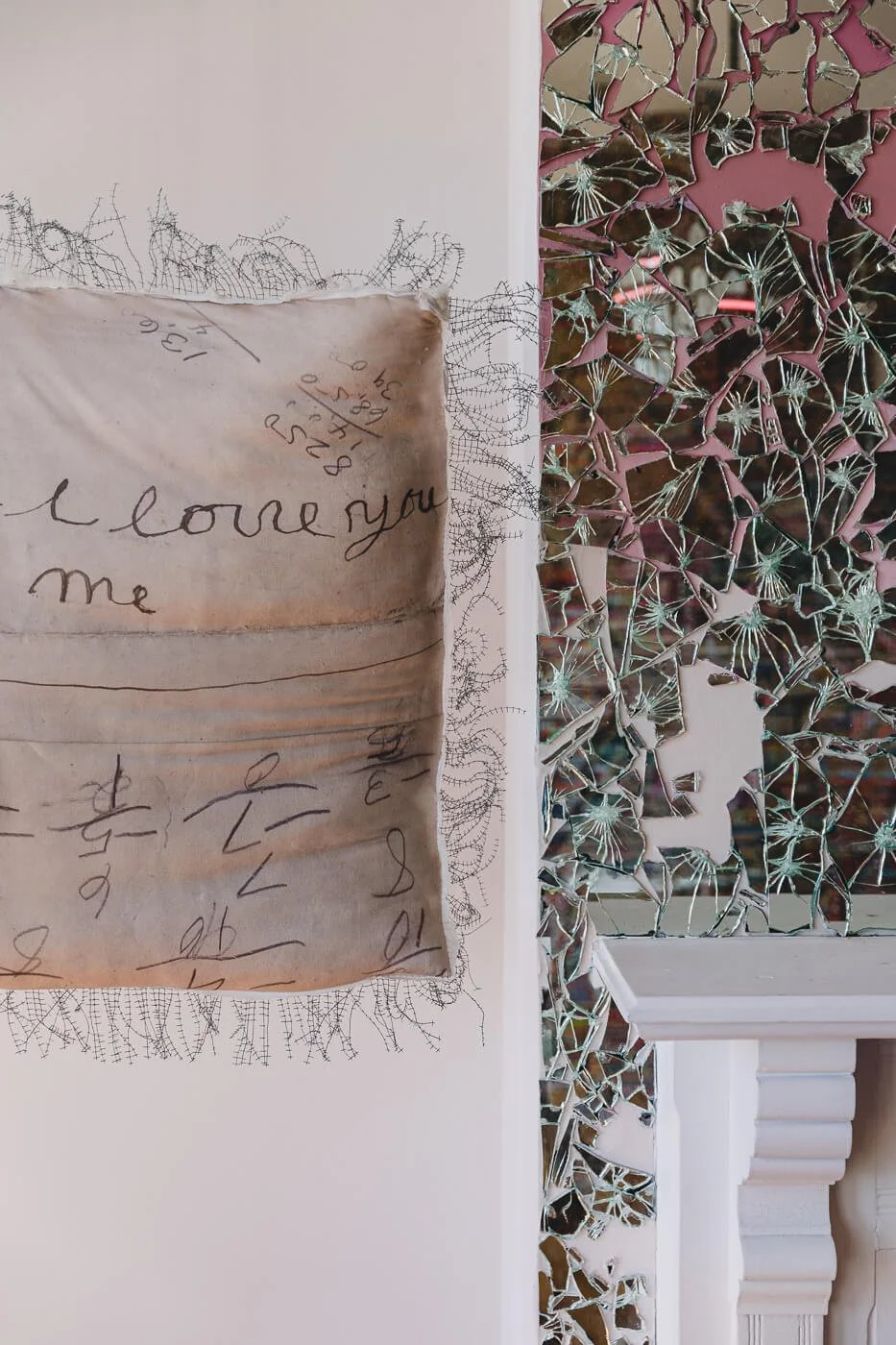
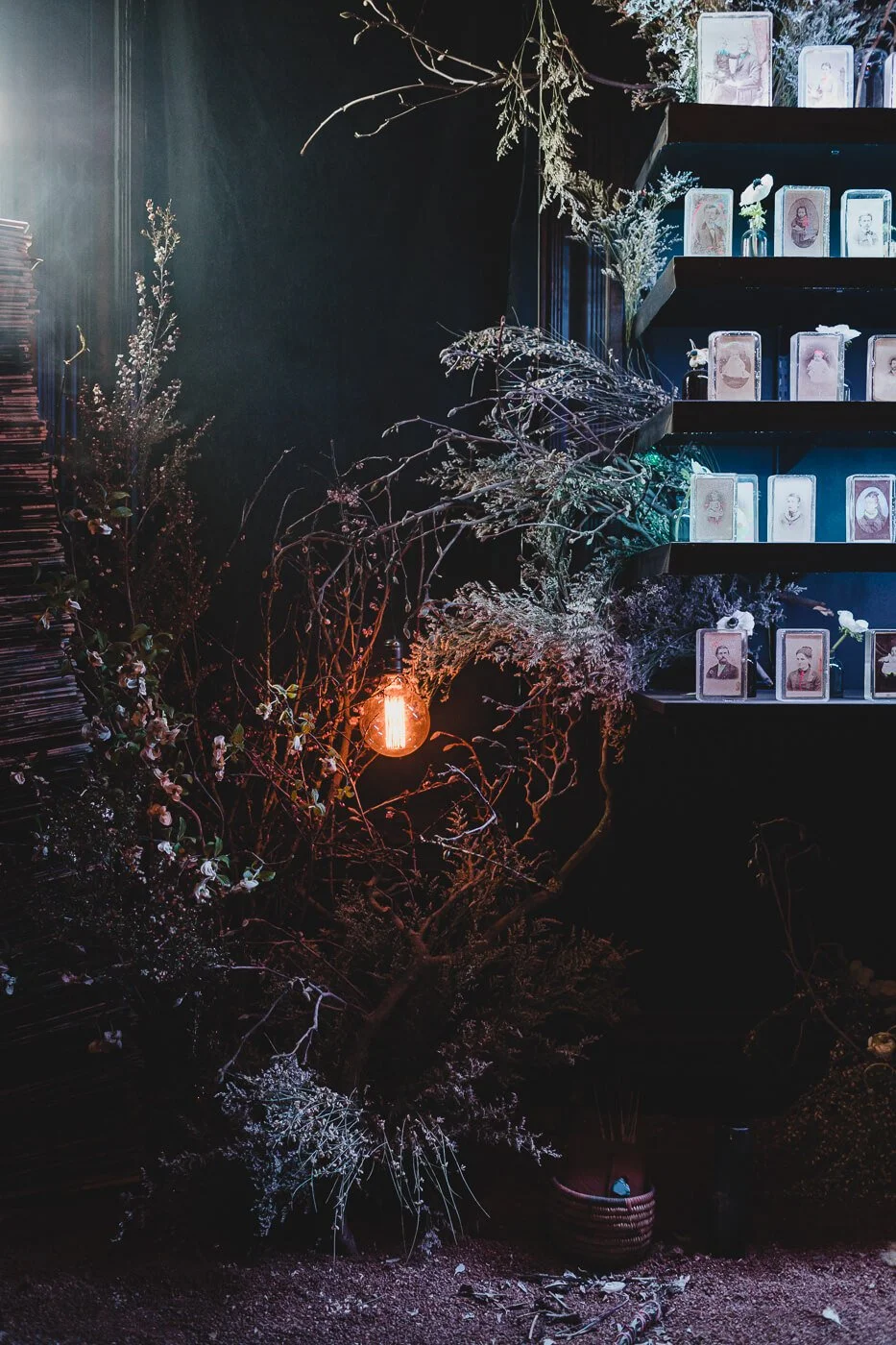
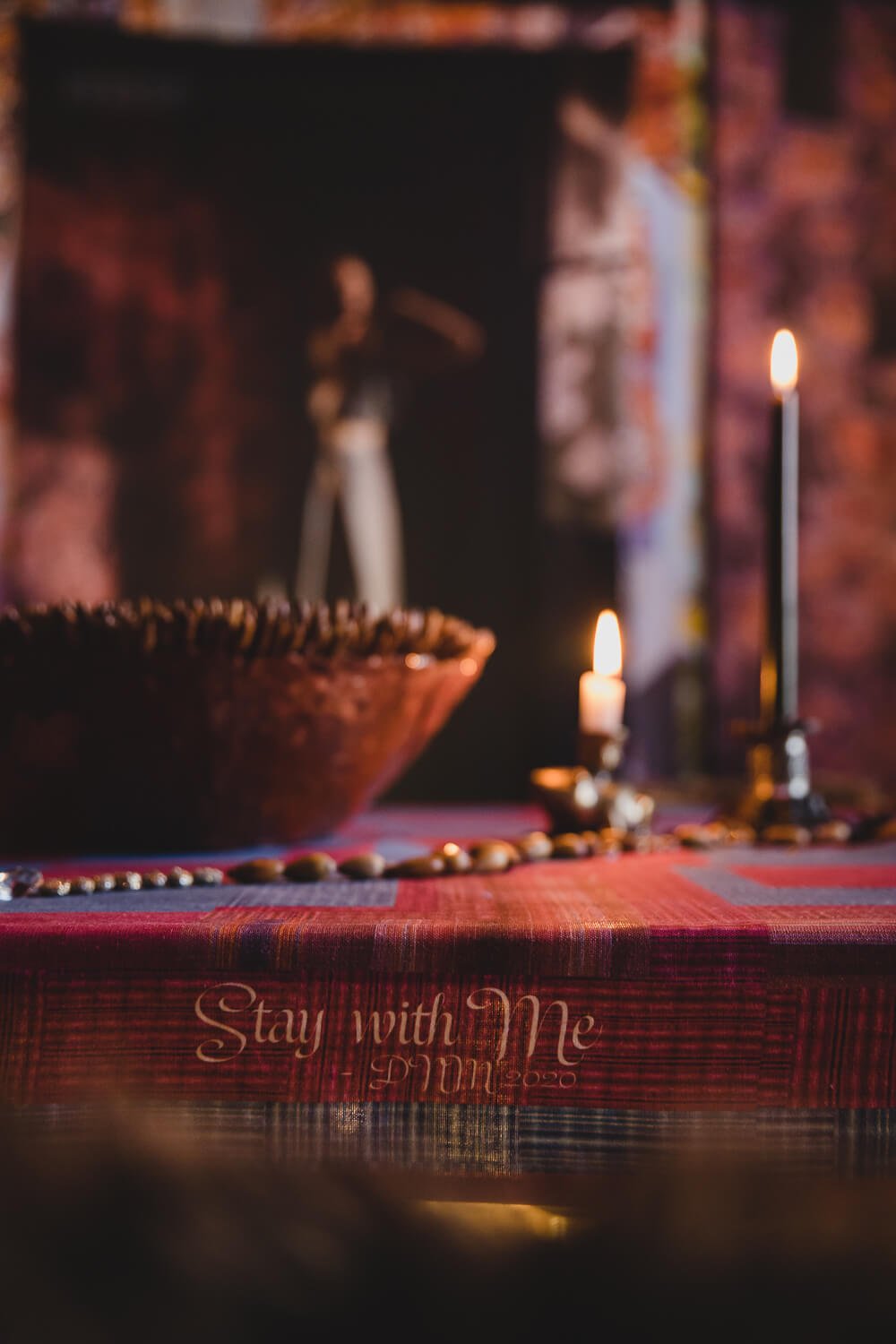
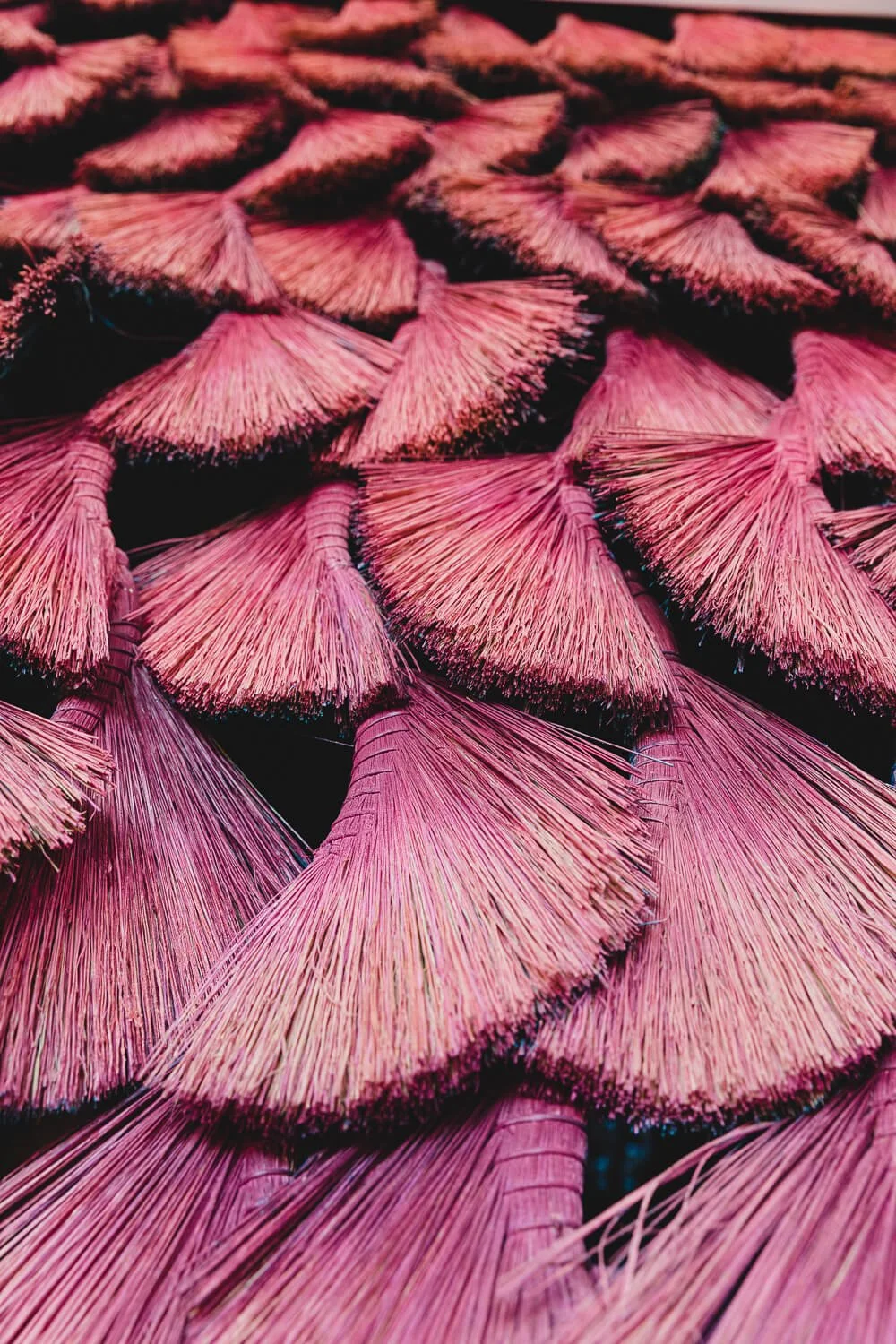
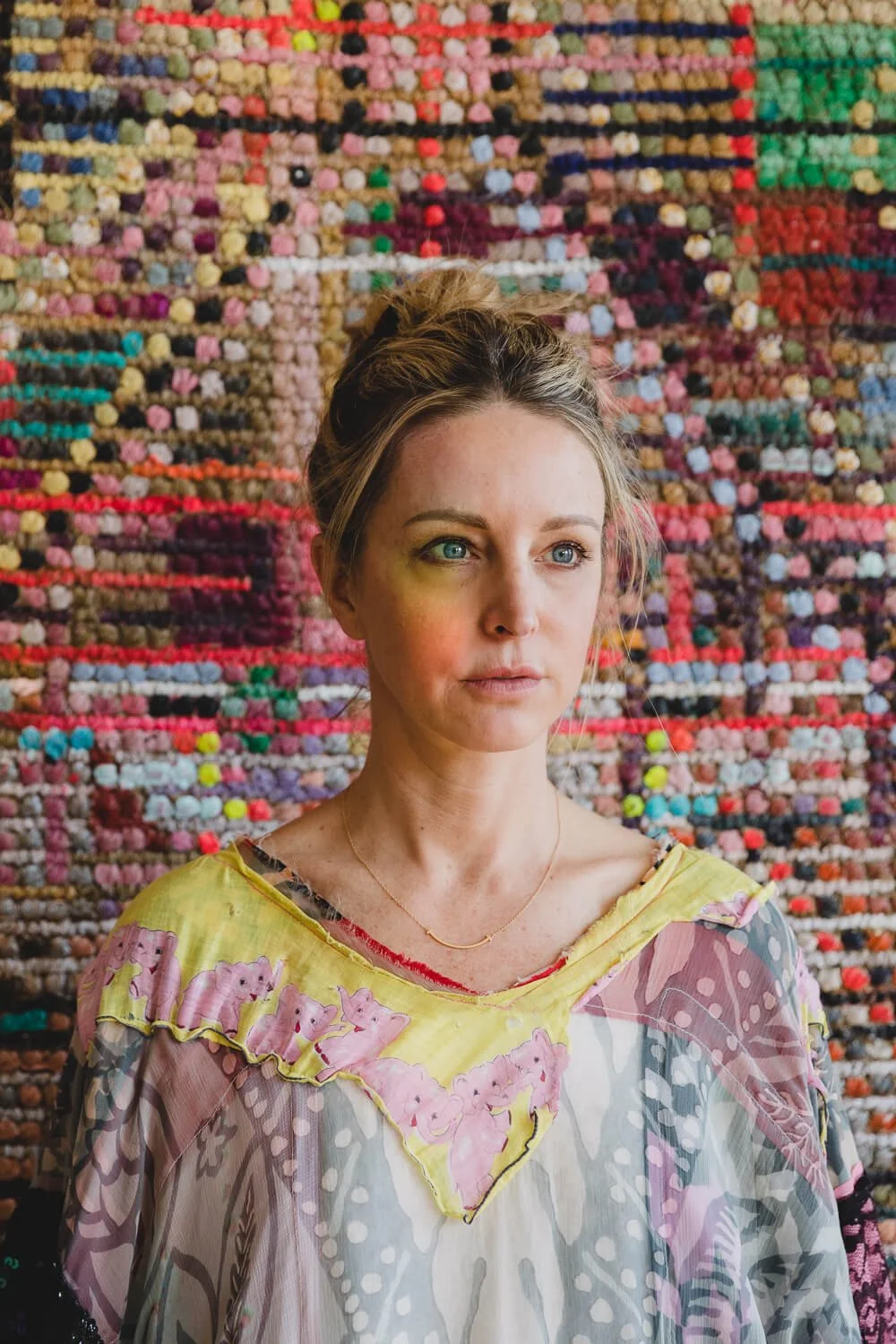
Branding session to highlight the work in a solo exhibition for artist, Danielle Mourning.
3. Creating AI-Generated Photos for Products, B-Roll, and Supporting Visuals
One of the smartest (and lowest-risk) ways to use AI brand photos is outside of your personal likeness. It works best when it’s supporting your brand, not standing in for you.
For many businesses, AI-generated images can be helpful for:
Product mockups and flat-lay style images
B-roll visuals for websites, blogs, and sales pages
Background imagery for social posts or ads
These types of images don’t rely on showing human faces, body language, or emotional nuance. Those are all areas where AI tends to struggle most.
When used this way, AI brand photos can fill in visual gaps between branding photo shoots, and reduce the pressure to overuse the same brand images. AI-generated product or b-roll imagery should always support your message, not confuse your audience or pretend to be something it’s not.
4. Photo Editing Support
Sometimes the help you need is not in the acquisition of the images, but in making those images sing. AI-powered editing tools can help with this process, especially for people who don’t have a background in photo editing:
Culling sets of images to select the best ones
Basic editing: exposure, color correction, tone curve, and cropping
Additional editing: background clean-up, imperfection removal, object removal* (*this level of editing should be used with caution as it’s typically the place where photos start to look wonky)
Where AI Falls Short in Brand Strategy and Brand Photos
AI brand photos are only one piece of the puzzle. The bigger challenge is how AI can quietly weaken your overall brand strategy when it’s overused or relied on without a critical eye.
Here are the most common pitfalls I see, especially for personal brands and small businesses.
1. AI Leads to Generic, Interchangeable Content
AI is trained on patterns, which means it naturally pulls brands toward what’s already common.
Over time, this can result in:
Visuals that look like everyone else’s
Messaging that feels polished but vague
A brand presence that’s technically correct but emotionally forgettable
When your brand strategy leans too heavily on AI, you risk blending in instead of standing out.
2. AI Brand Photos Can’t Capture You
When AI is used to generate faces, people, or “stand-in” versions of you, it’s limitations become obvious (for now anyway 🫣).
AI doesn’t understand:
Your natural expressions and mannerisms
How you interact with your customers and clients
The subtle cues that communicate warmth, confidence, or credibility
3. AI Photos Miss Context, Nuance, and Lived Experience
AI doesn’t know your real environment, the people you serve, or your day-to-day work life.
That means it often struggles with:
Accurately representing service-based businesses
Reflecting cultural or regional nuance
Showing what it actually feels like to work with you
Brand strategy isn’t just about making visuals that look perfect, it’s about making visuals that feel true.
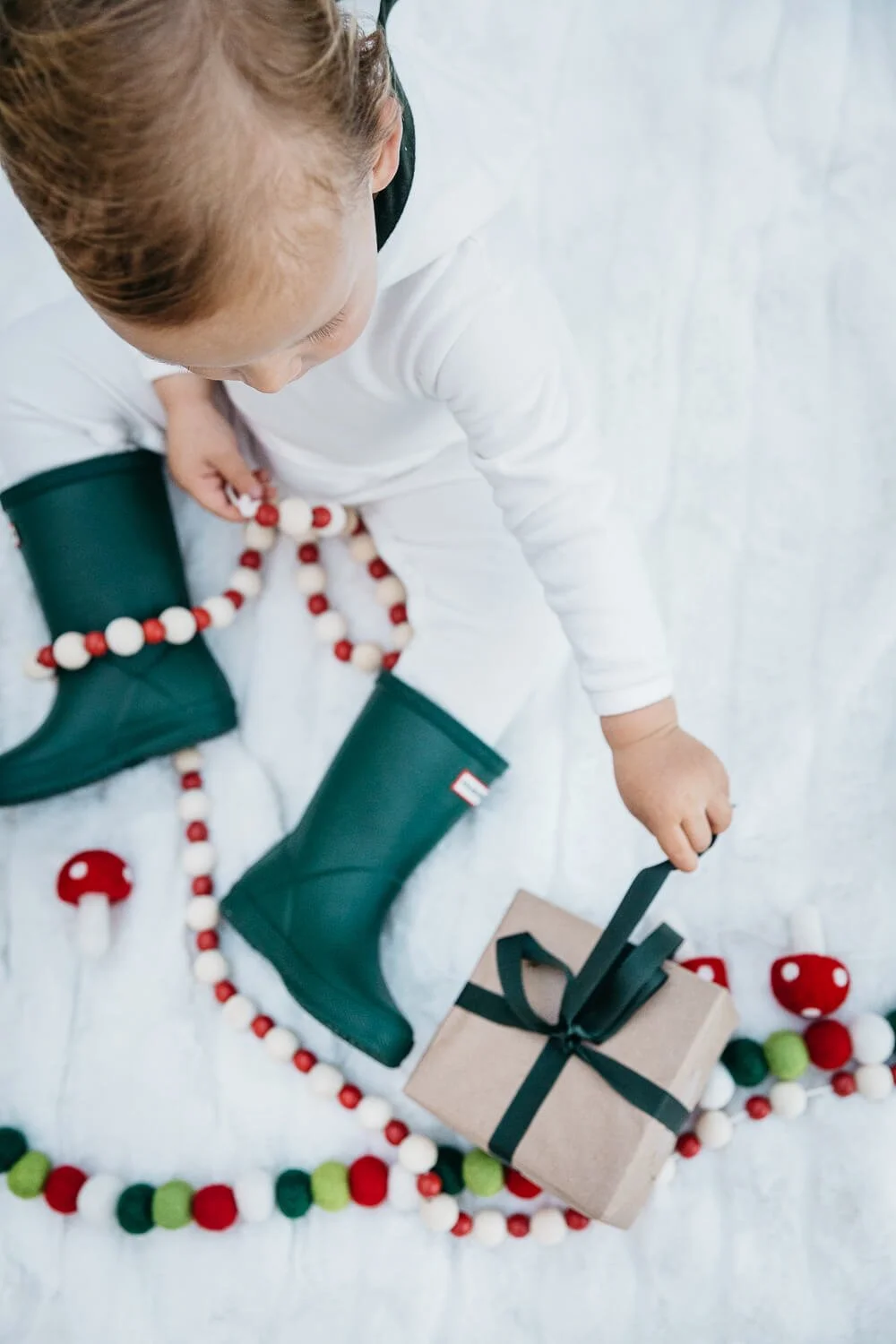
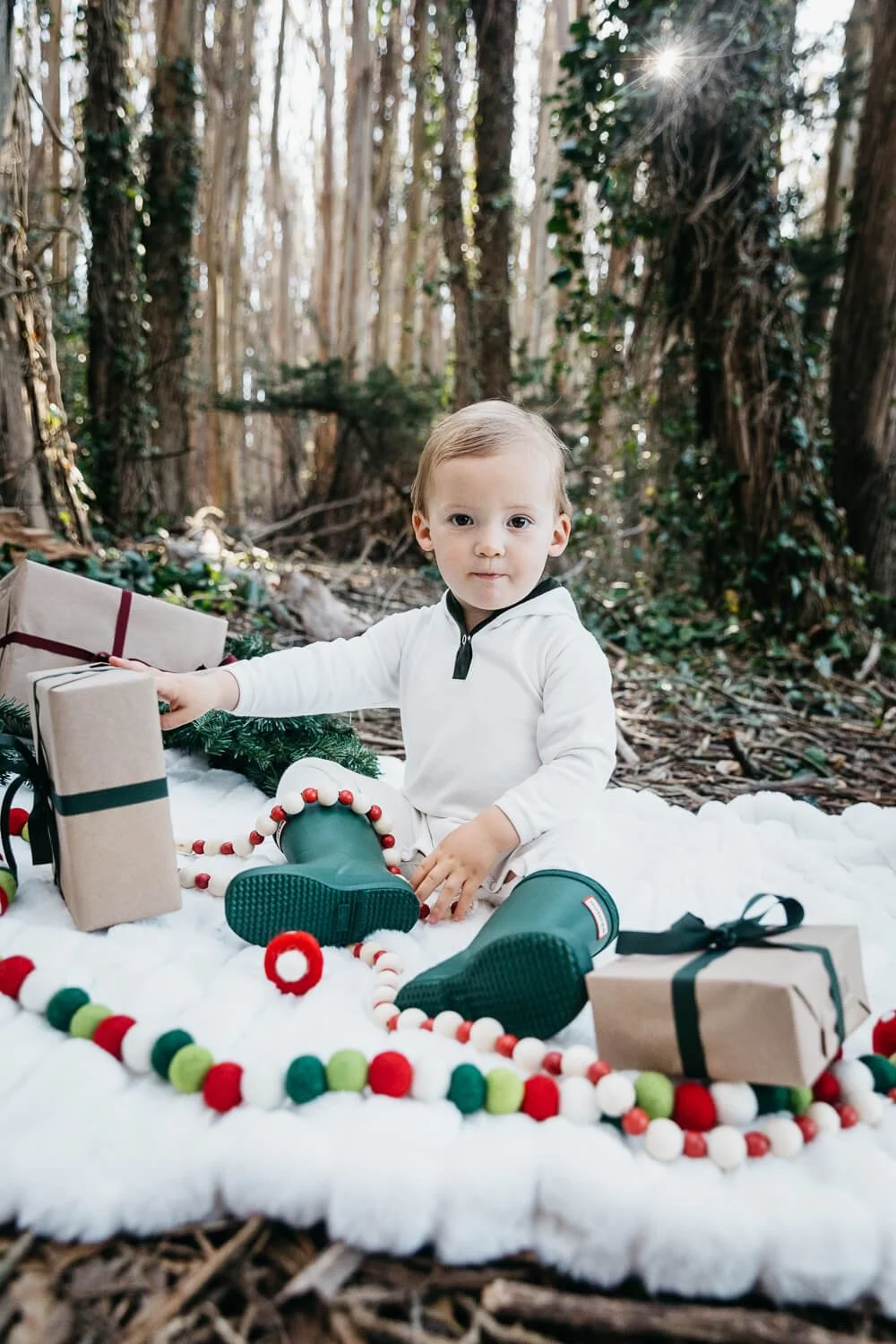
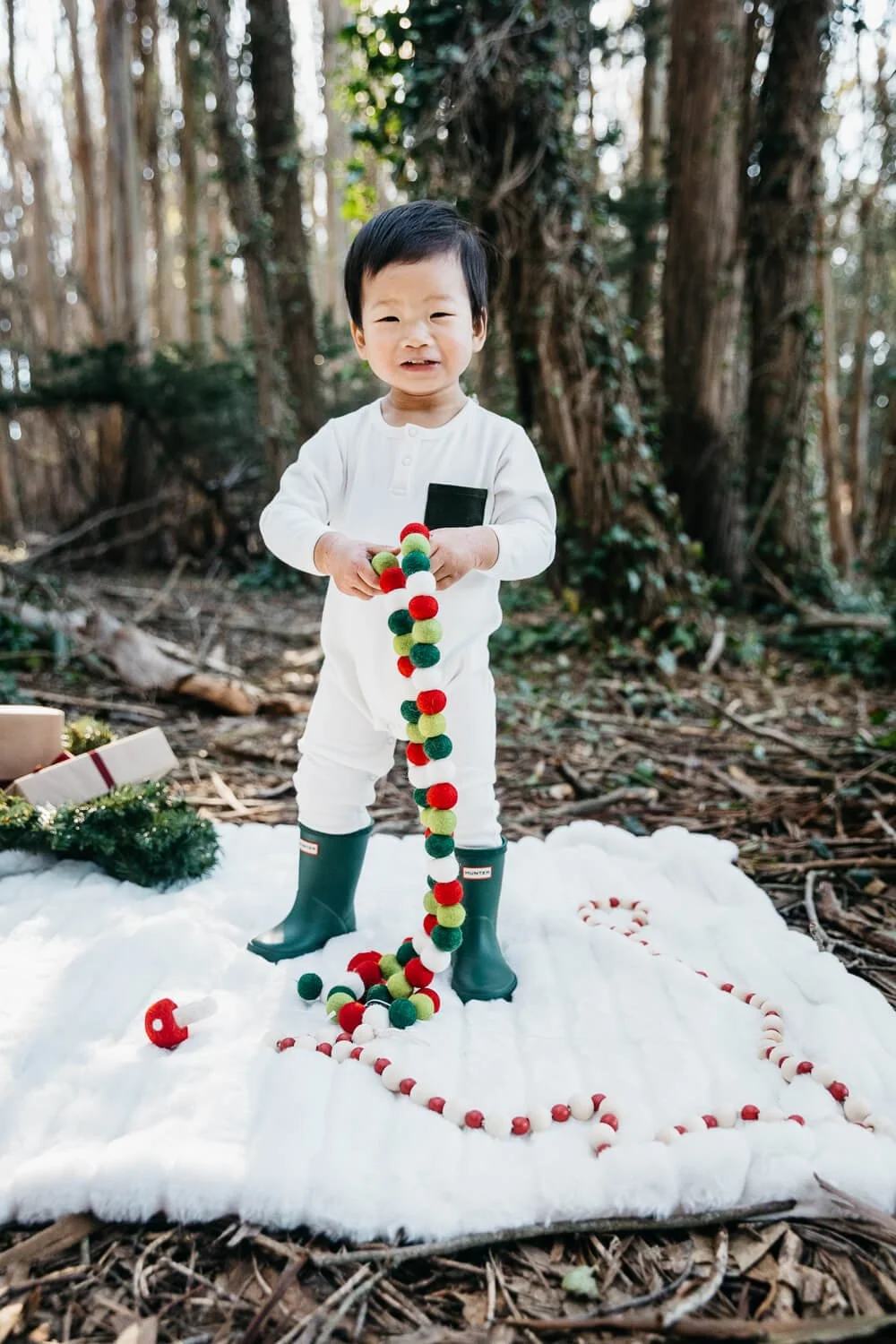
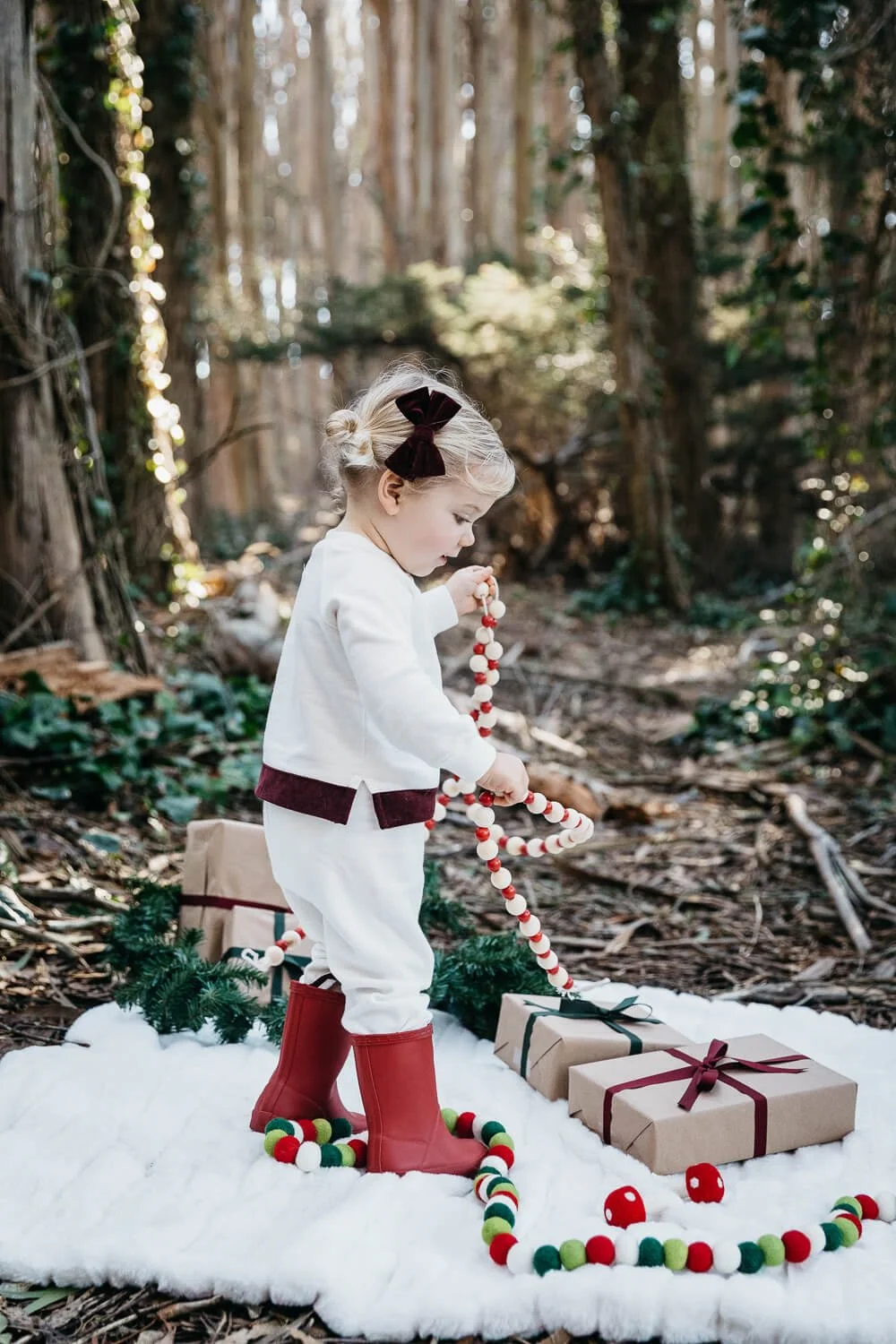
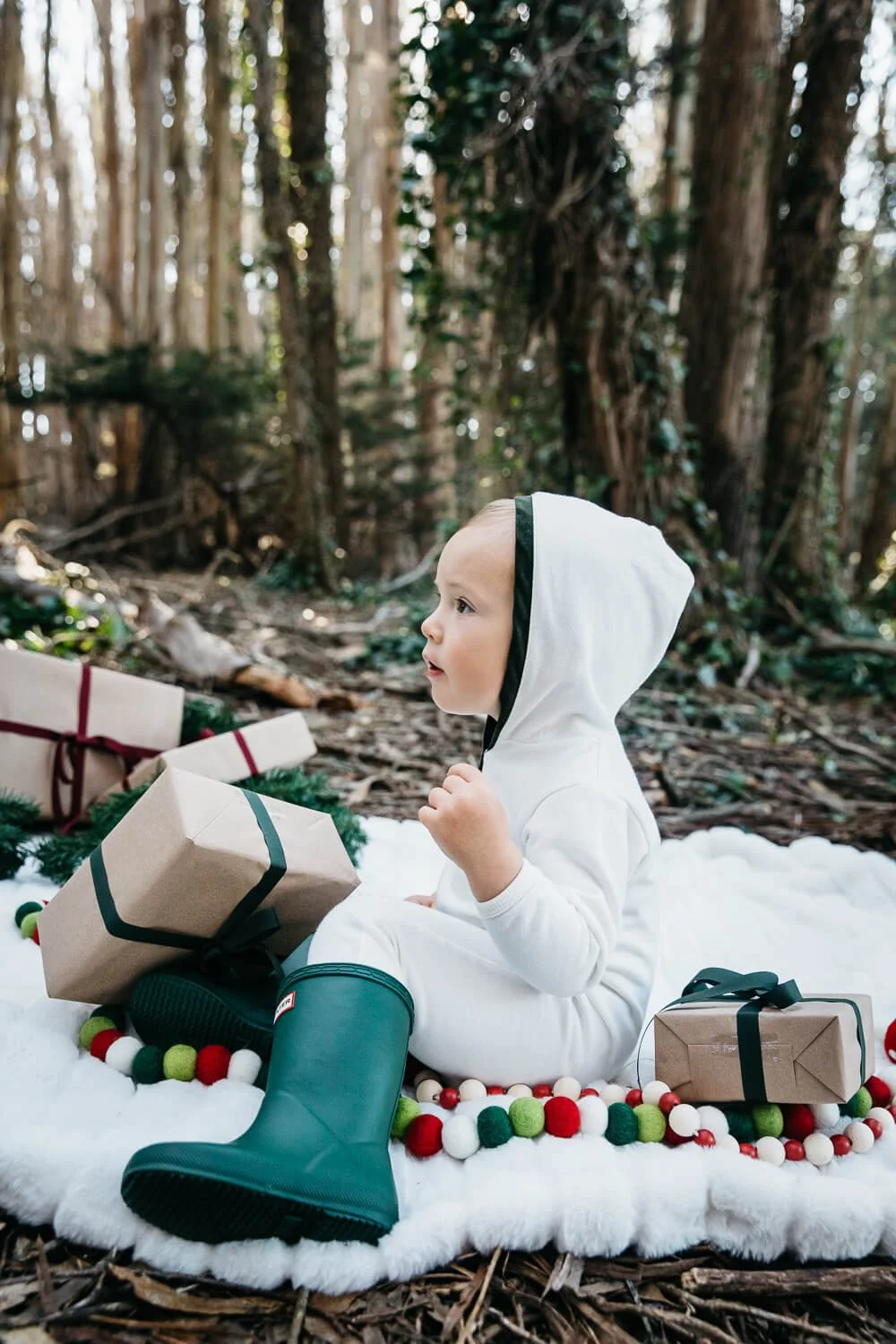
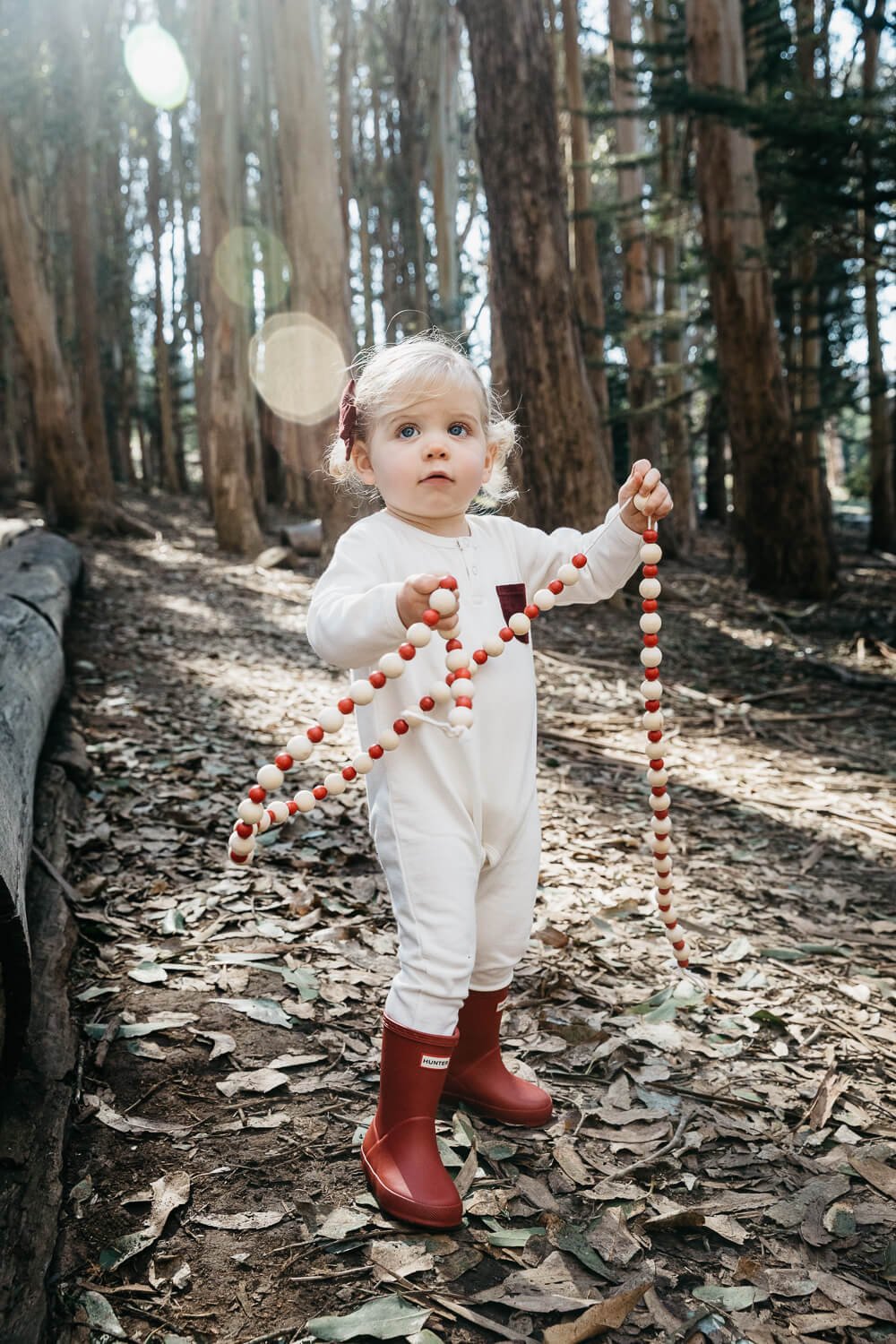
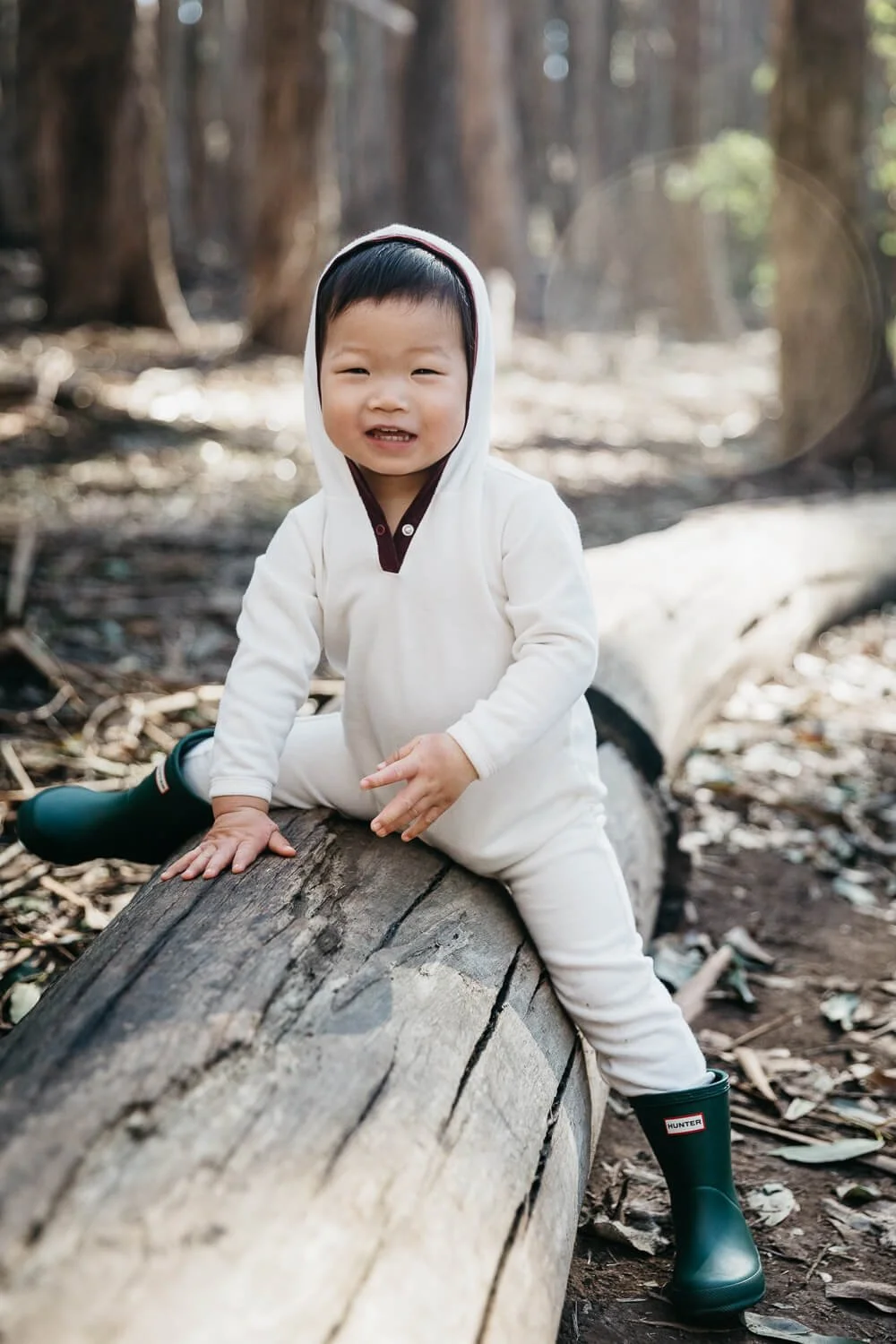
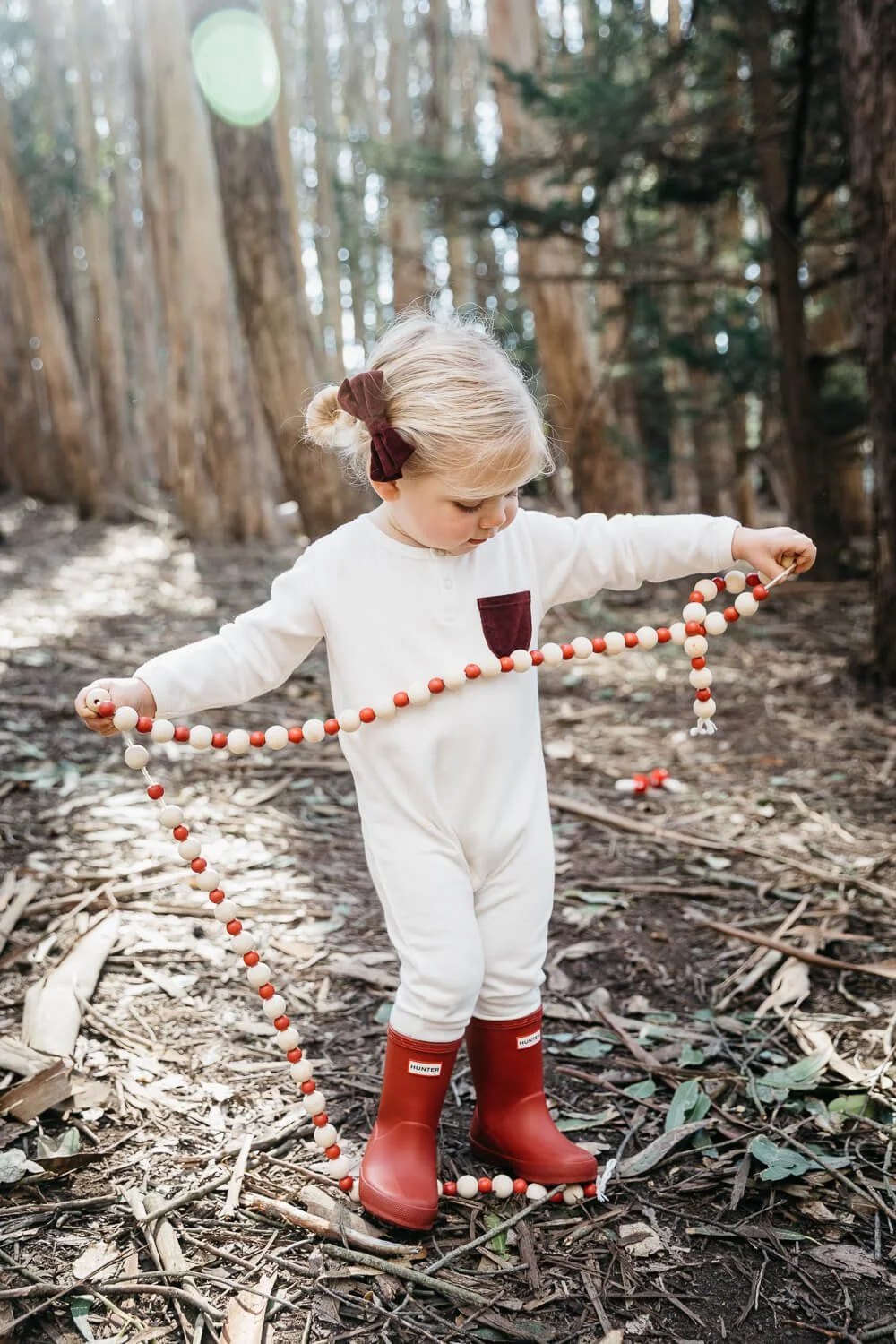
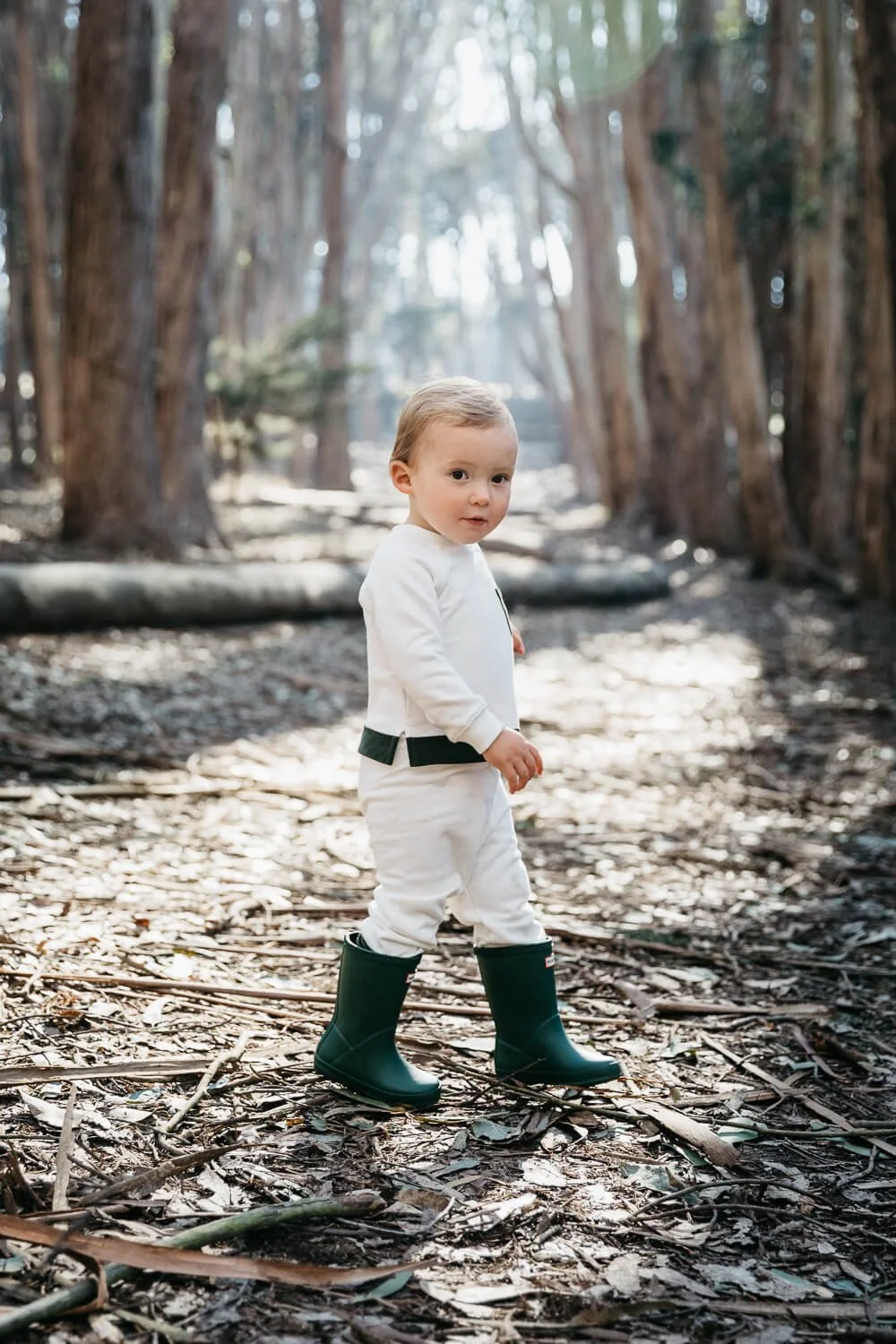
Brand shoot for holiday collection of a small children’s clothing brand, Ellis Littles.
4. Short-Term Convenience, Long-Term Trust Cost
AI can feel like a quick win: fast visuals, endless content, low upfront cost. But especially for small businesses built on referrals and human-to-human relationships, the long-term costs can creep up as:
Reduced trust when AI-generated content doesn’t feel consistent or true
Lower emotional connection due to generic content
A growing sense of AI fatigue among audiences (we’re getting better at spotting AI content!)
In this new world order of so much being AI-generated, brands that feel human, consistent, and grounded in real life will stand out.
The Sweet Spot: AI Brand Support + Real Personal Branding Photos
The most effective brands aren’t choosing either/or. They’re using AI to clarify their vision, plan intentionally, and support consistency. And they’re using real brand photography to show their actual face and work, build trust and relatability, and create images that feel alive and human
AI can help you prepare. Real brand photography helps you connect.
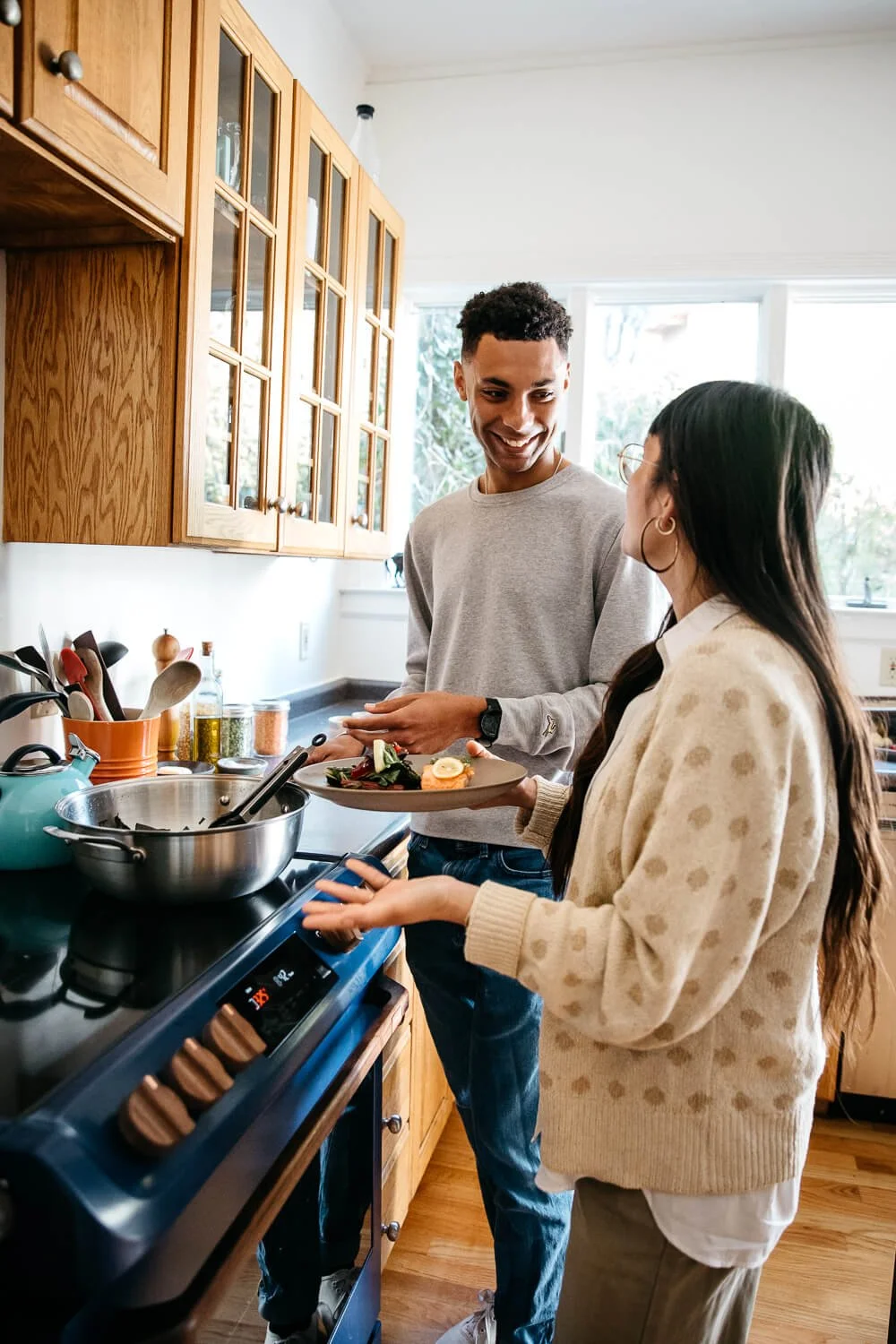
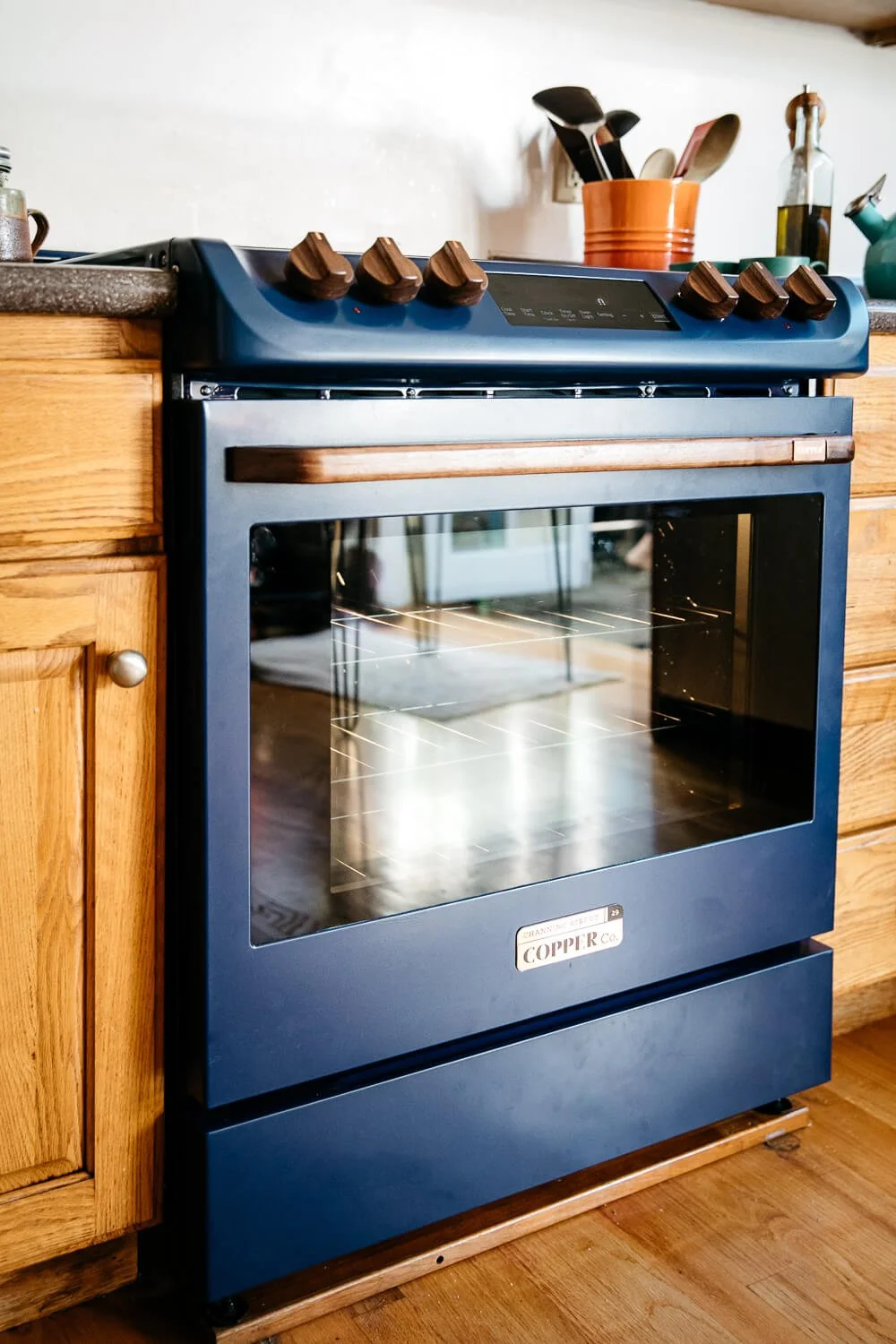
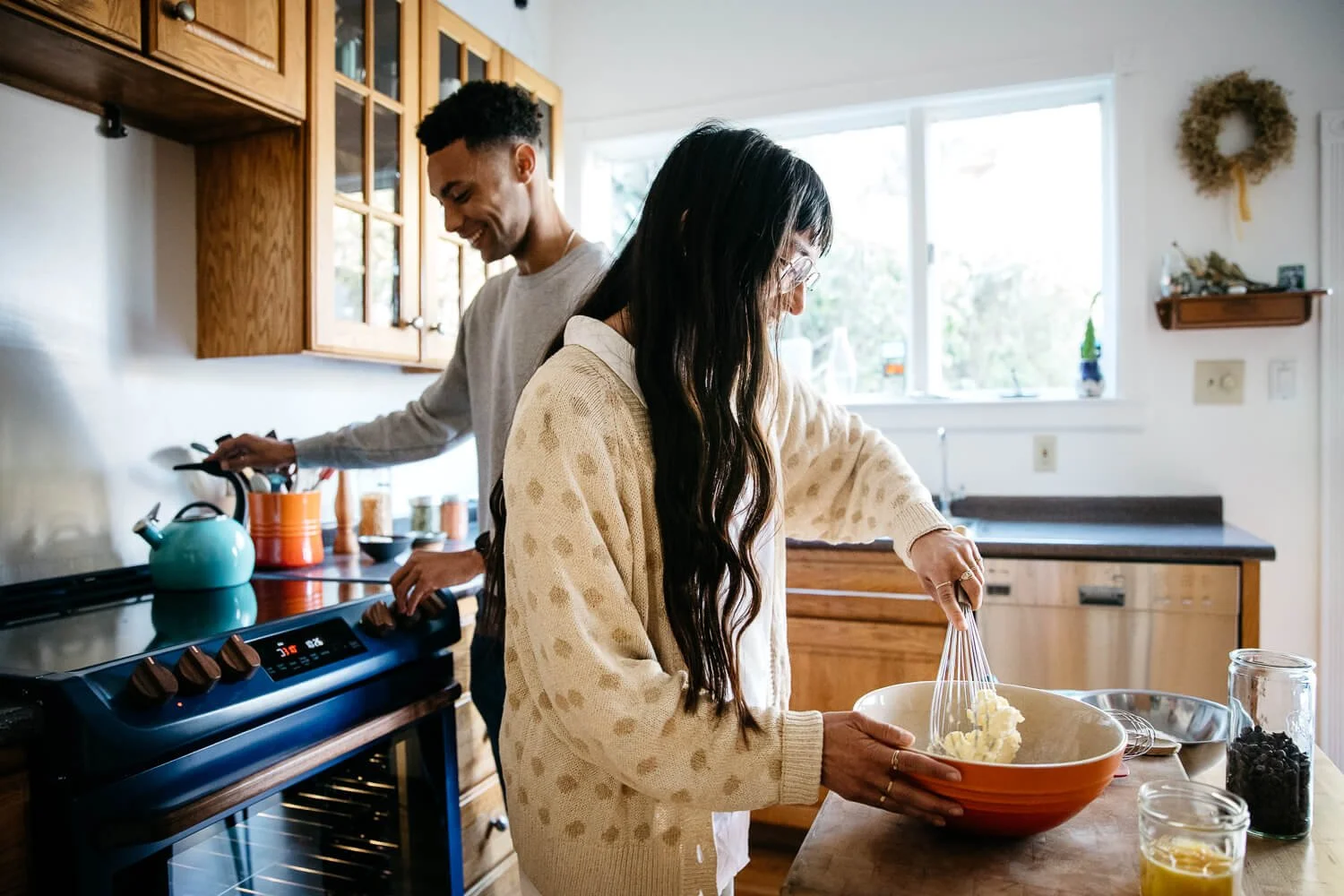
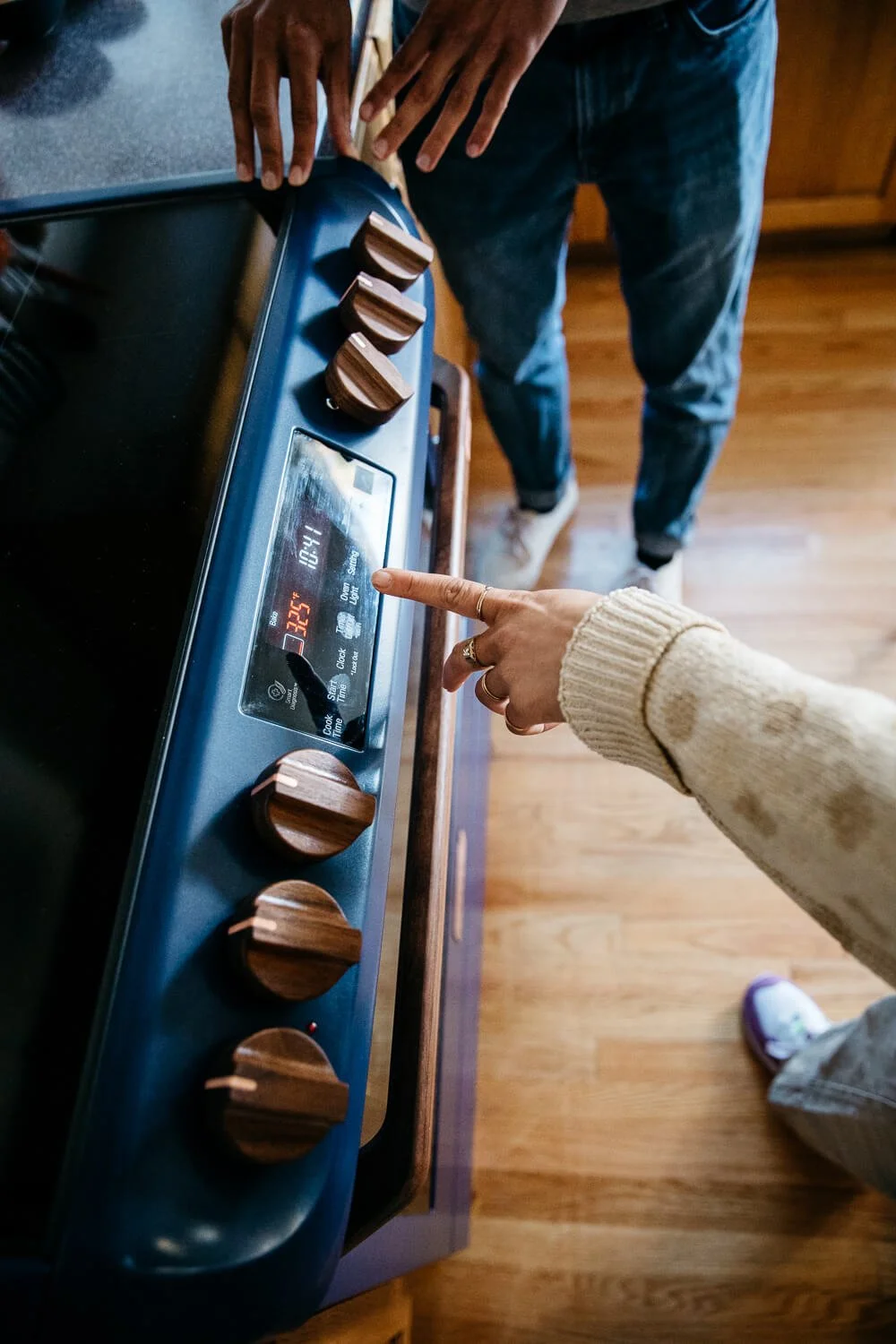
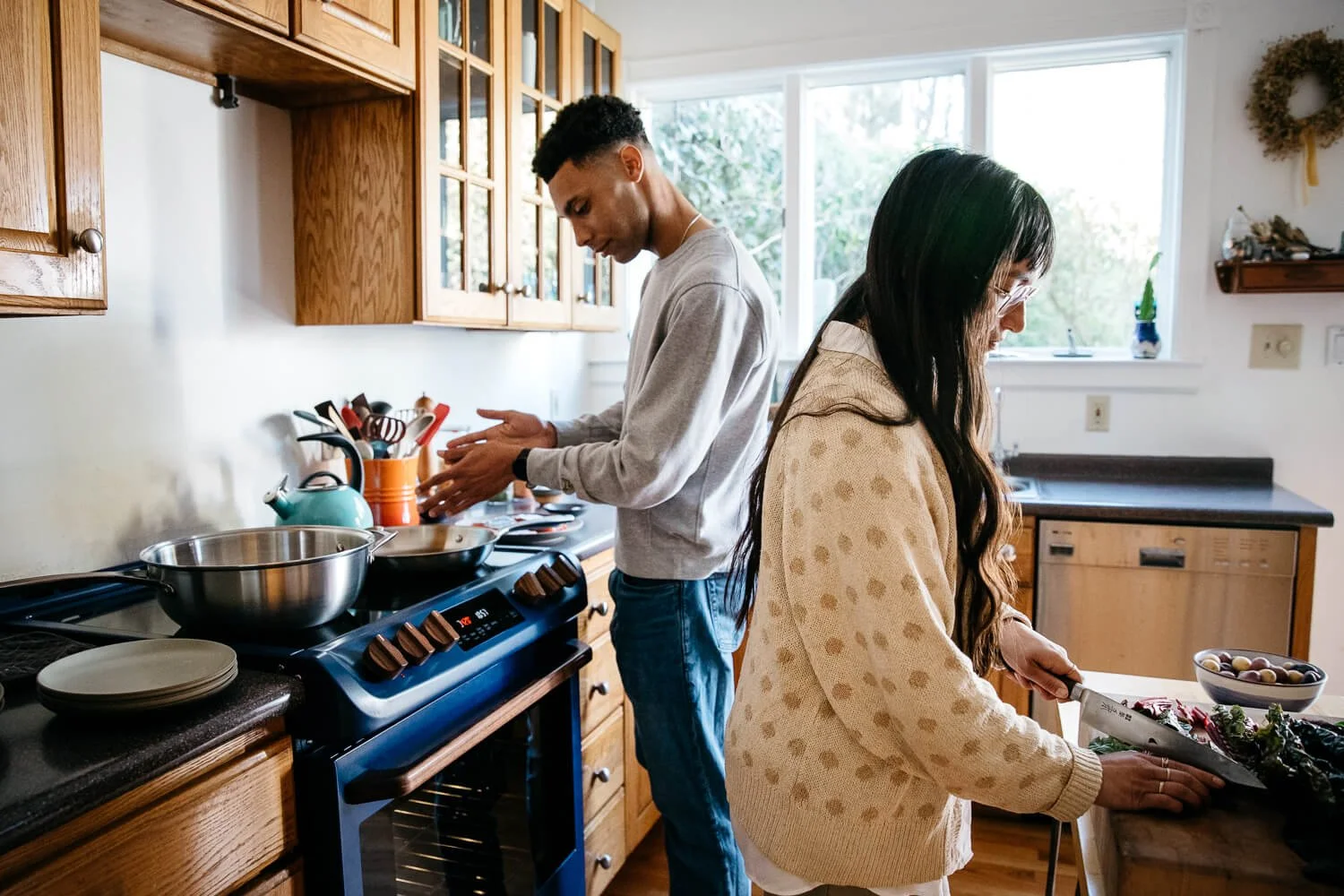
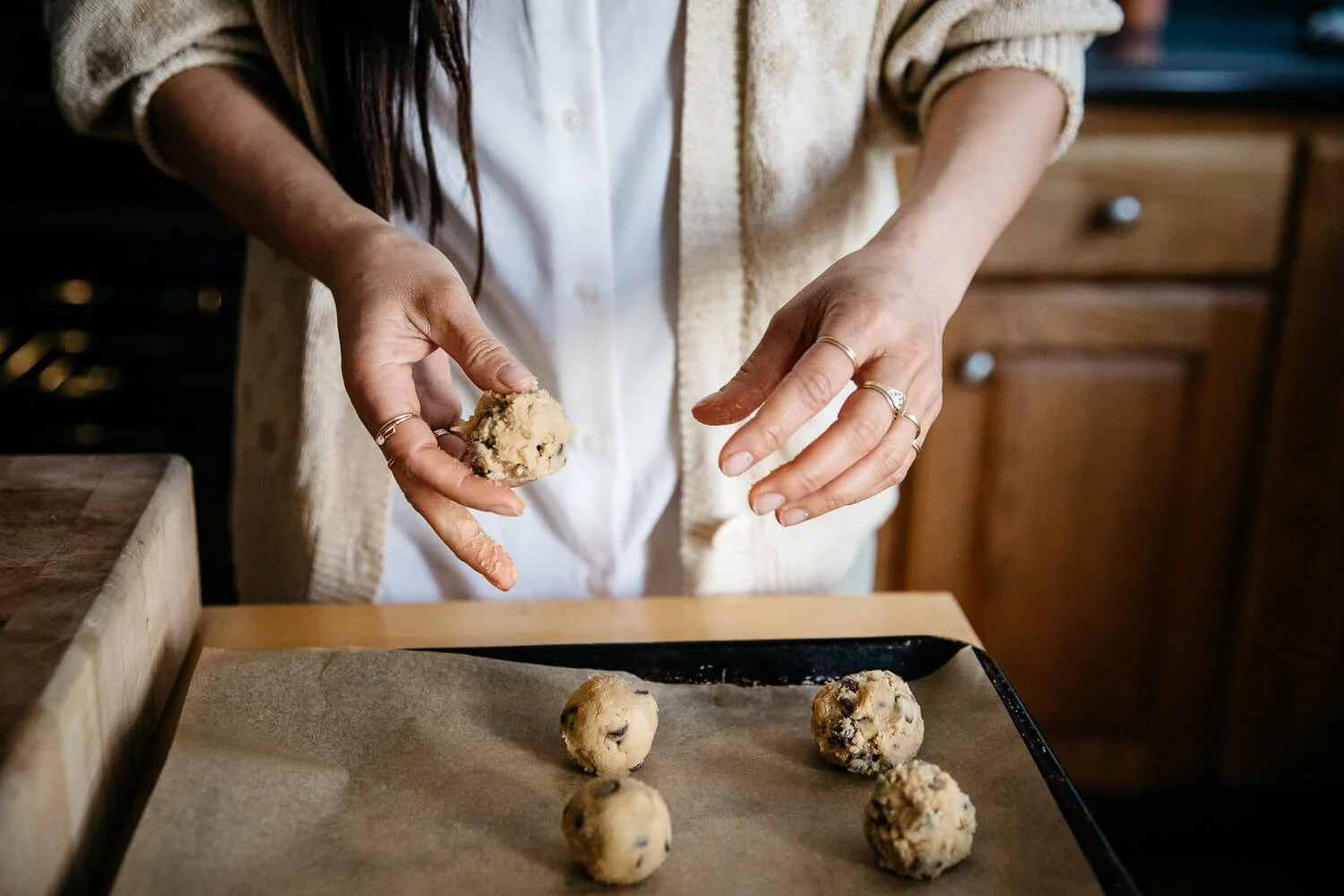
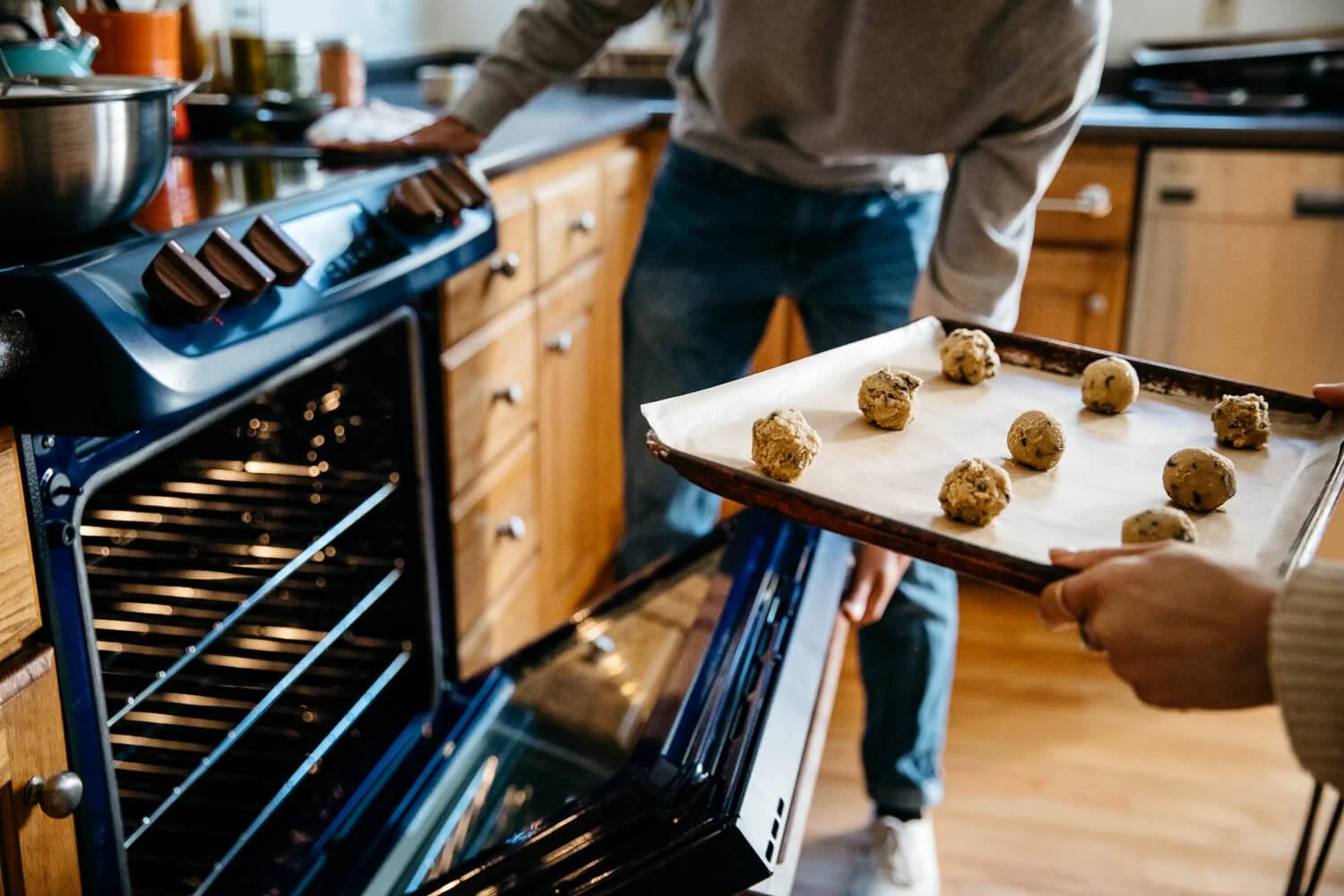
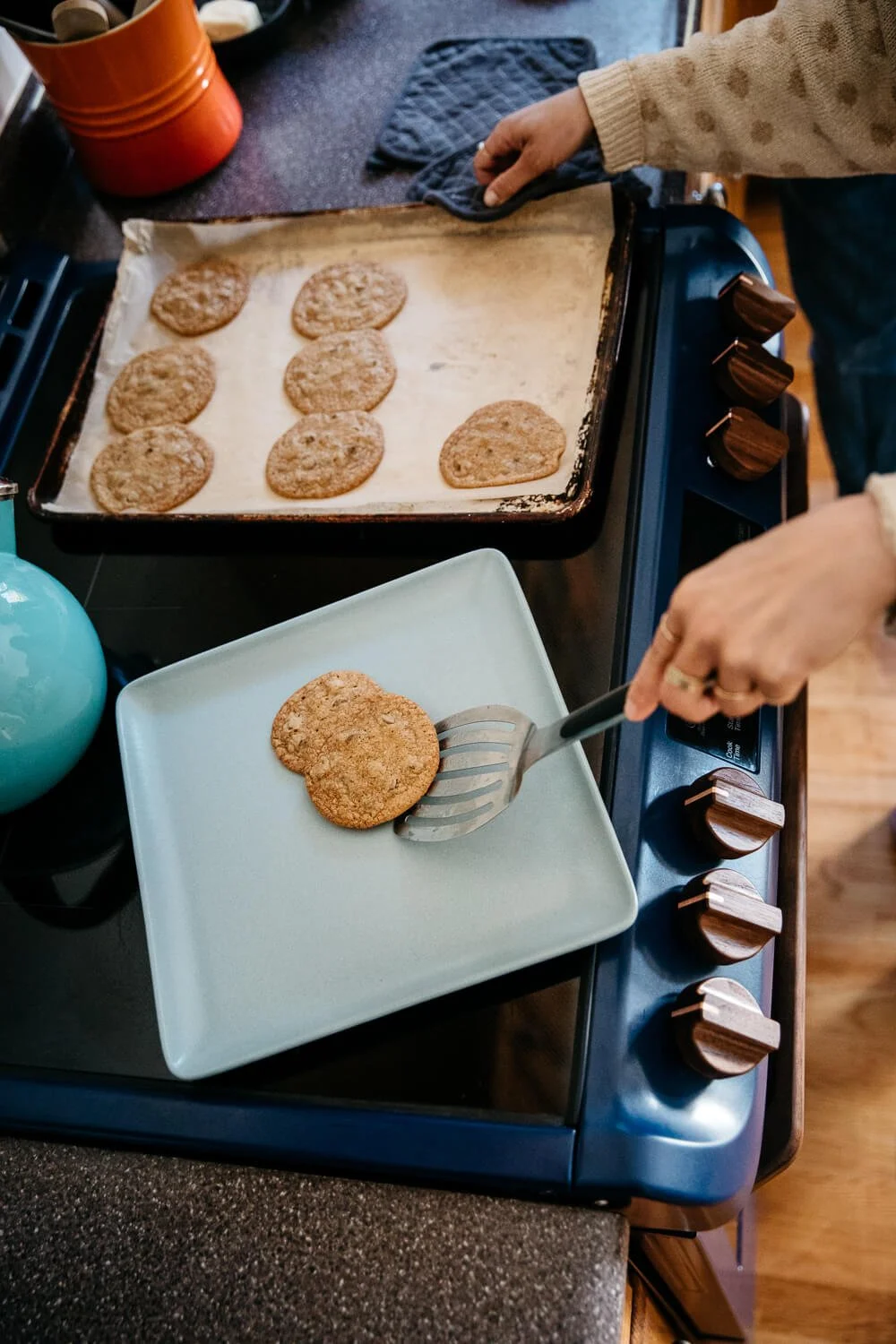
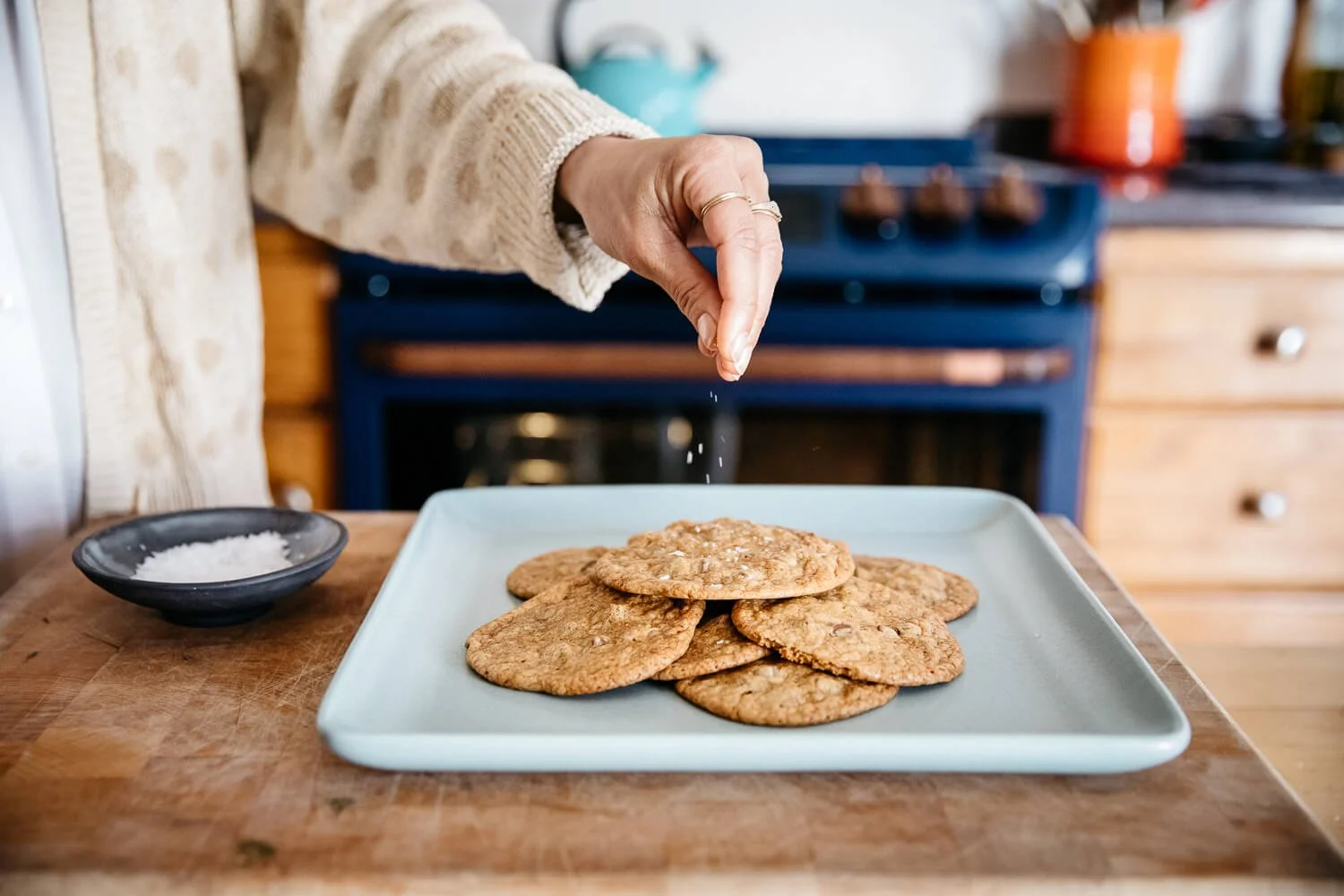
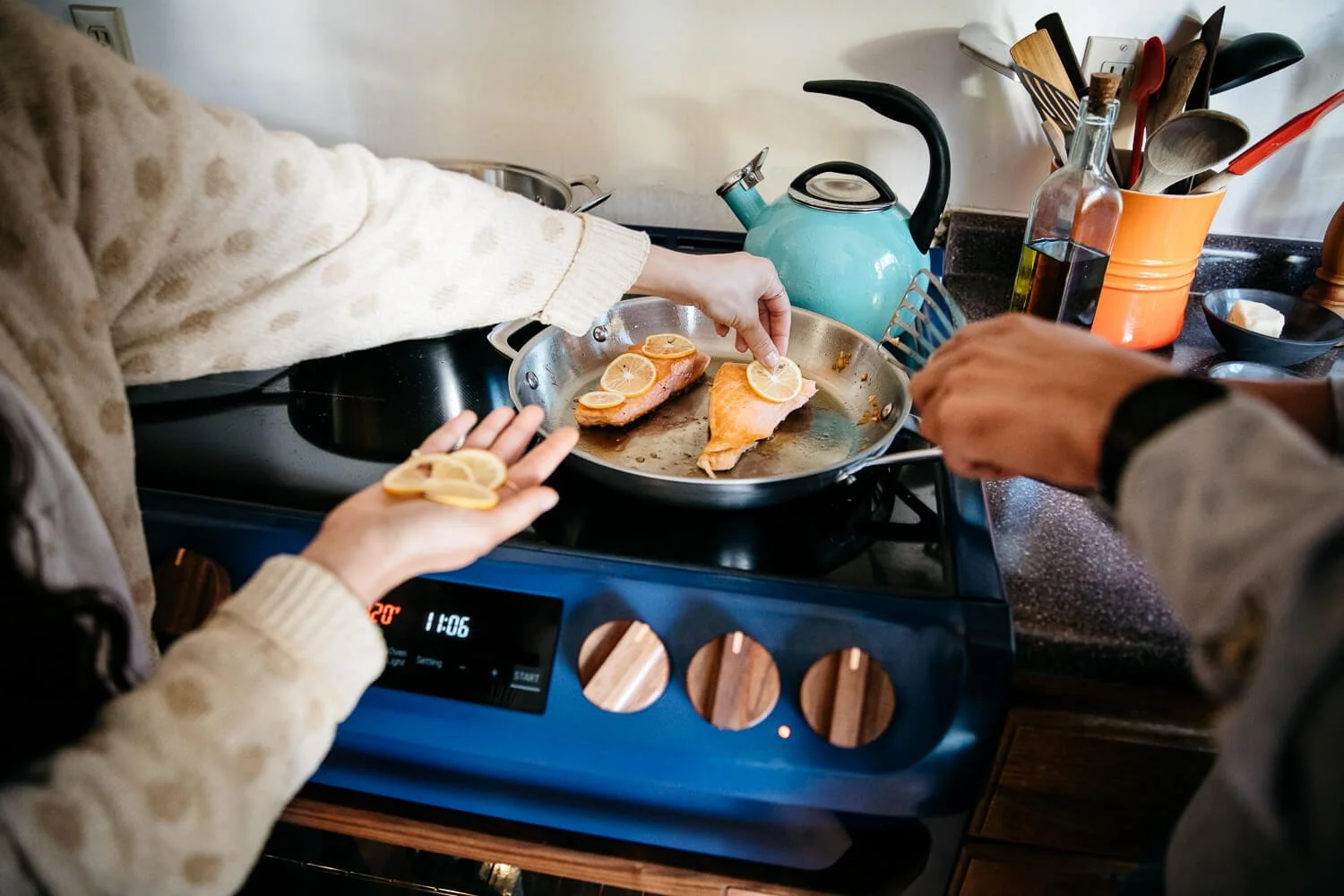
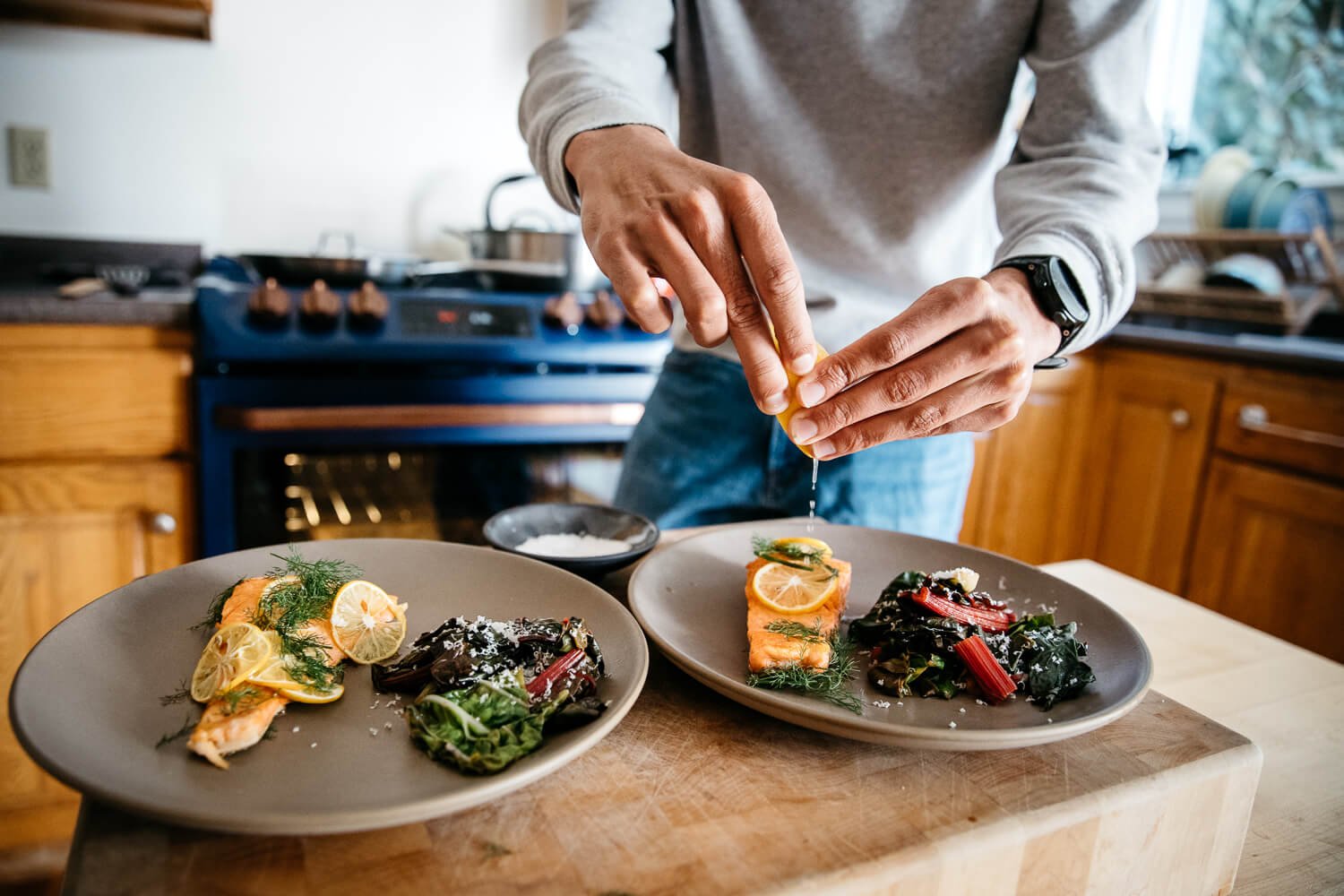
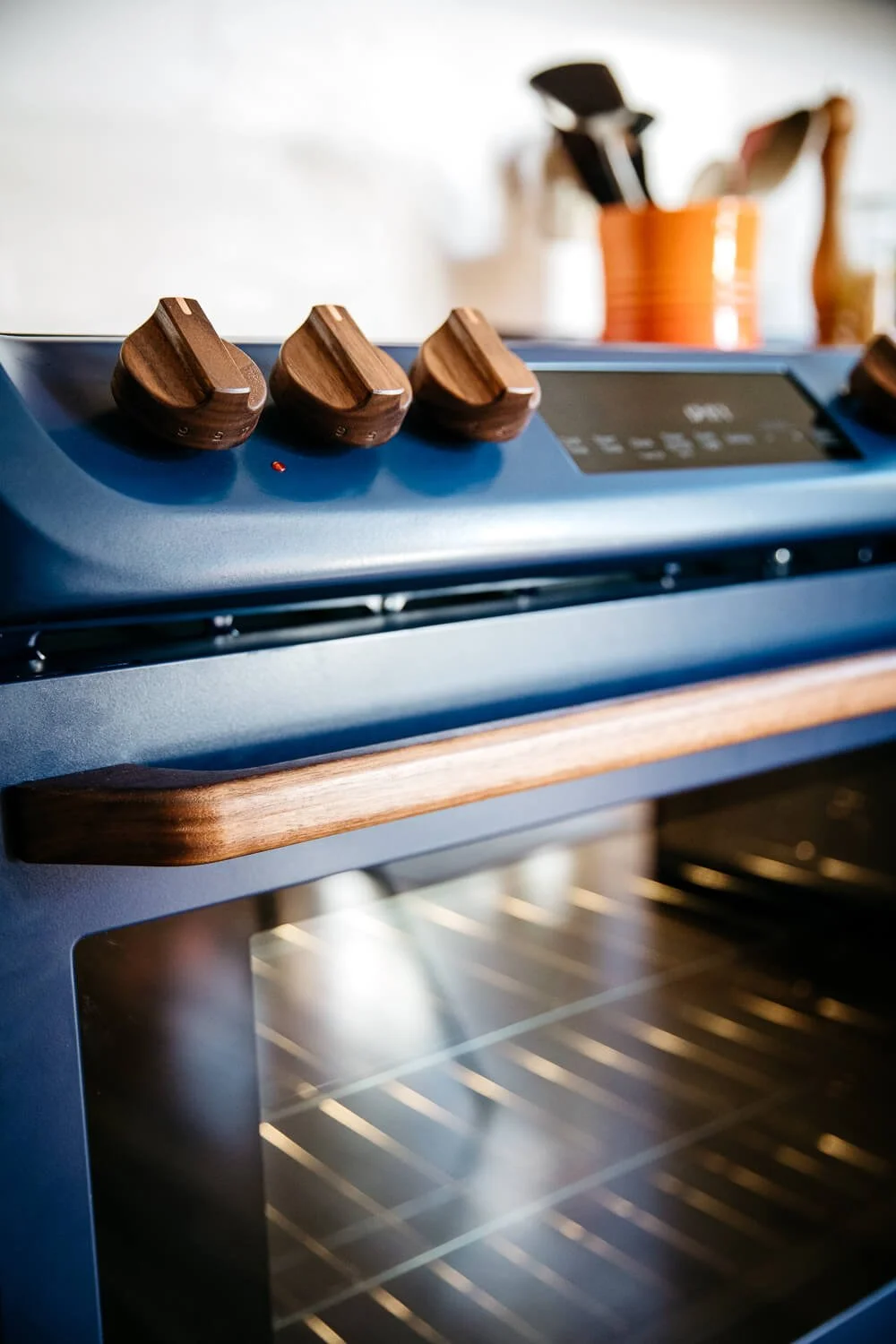
Branding lifestyle session for electric range company, Copper Home.
The Trust Recession, and My Take as a Brand Photographer
In case it’s not obvious, I’m not anti-AI. I use it myself with my own business. But I am becoming more discerning in how I utilize the AI-generated help I get. I notice that a lot of the AI support I get feels derivative and sometimes nonsensical. I also notice this when I’m consuming content from other brands. In other words, I’m becoming pretty good at spotting AI-created content.
We’re entering a time of what many marketers are calling a trust recession. This is a moment where audiences are more skeptical, more discerning, and more sensitive to what feels real versus manufactured.
For small businesses especially, the ones built on referrals, relationships, and reputation, this matters deeply. Using AI to drive your brand strategy can feel like an easy solution. It’s fast, it’s affordable, and it never gets tired.
But, the long-term cost can show up quietly as:
Lower trust
Weaker connection
A brand that feels interchangeable instead of personal
Over time, that lost trust becomes far more expensive to rebuild than investing in thoughtful, real branding photos from the start.
In Summary
AI can be a powerful tool and helping you generate content and visuals that support your overall brand strategy.
AI brand photos can support your business, but they shouldn’t replace real photos of you.
If you’re building a personal brand or small business that relies on trust, referrals, and long-term client relationships, a personal branding photo shoot is an investment in credibility, recognition, and connection.
If you’re ready for brand photos that feel real, aligned, and unmistakably human, I’d love to help you create imagery that builds trust now and over time.
I also have a fun and free resource for folks considering a brand session in San Francisco. This guide gives you the inside scoop on the best Bay Area locations to shoot at and how to pair clothing with the location.