
What Is Natural Light Photography?
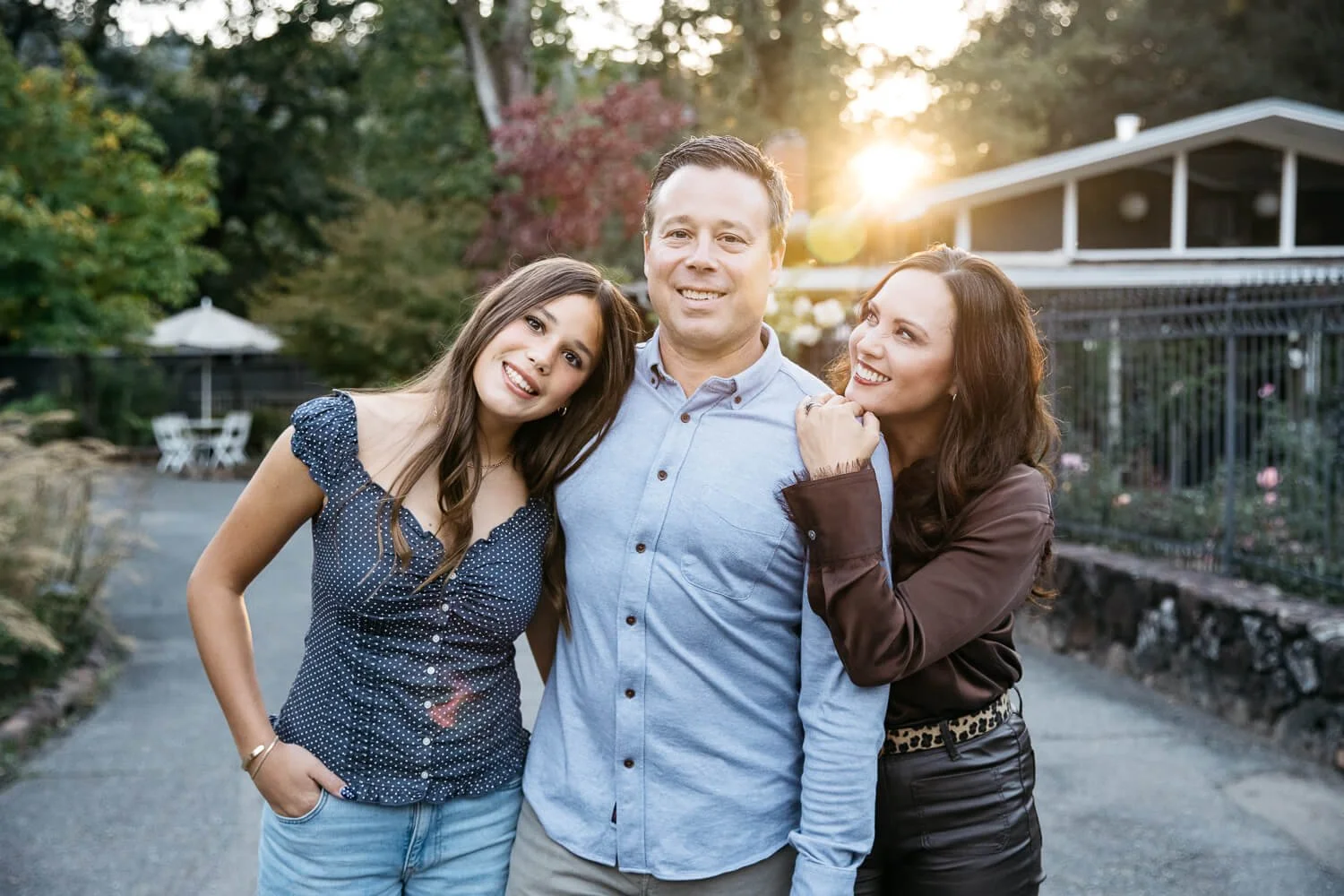
Sunset behind family creates lens flare and warm, peachy tone on skin. Shot at the Marin Art and Garden Center in Kentfield.
If you've spent any time searching for a photographer, you've probably seen it: "natural light photographer." It's on websites, in Instagram bios, and scattered across inquiry forms. It's one of those phrases that sounds self-explanatory, until you realize you're not quite sure what it actually means.
Does it mean only shooting outside?
Using no flash, ever?
Does it make photos appear darker? Or more softly lit?
It's not as obvious as one might think, and I want to clear this up. Understanding what natural light photography really is can help you know if that is the look you're after, and what to expect if you book a session with me.
What Does Natural Light Mean in Photography?
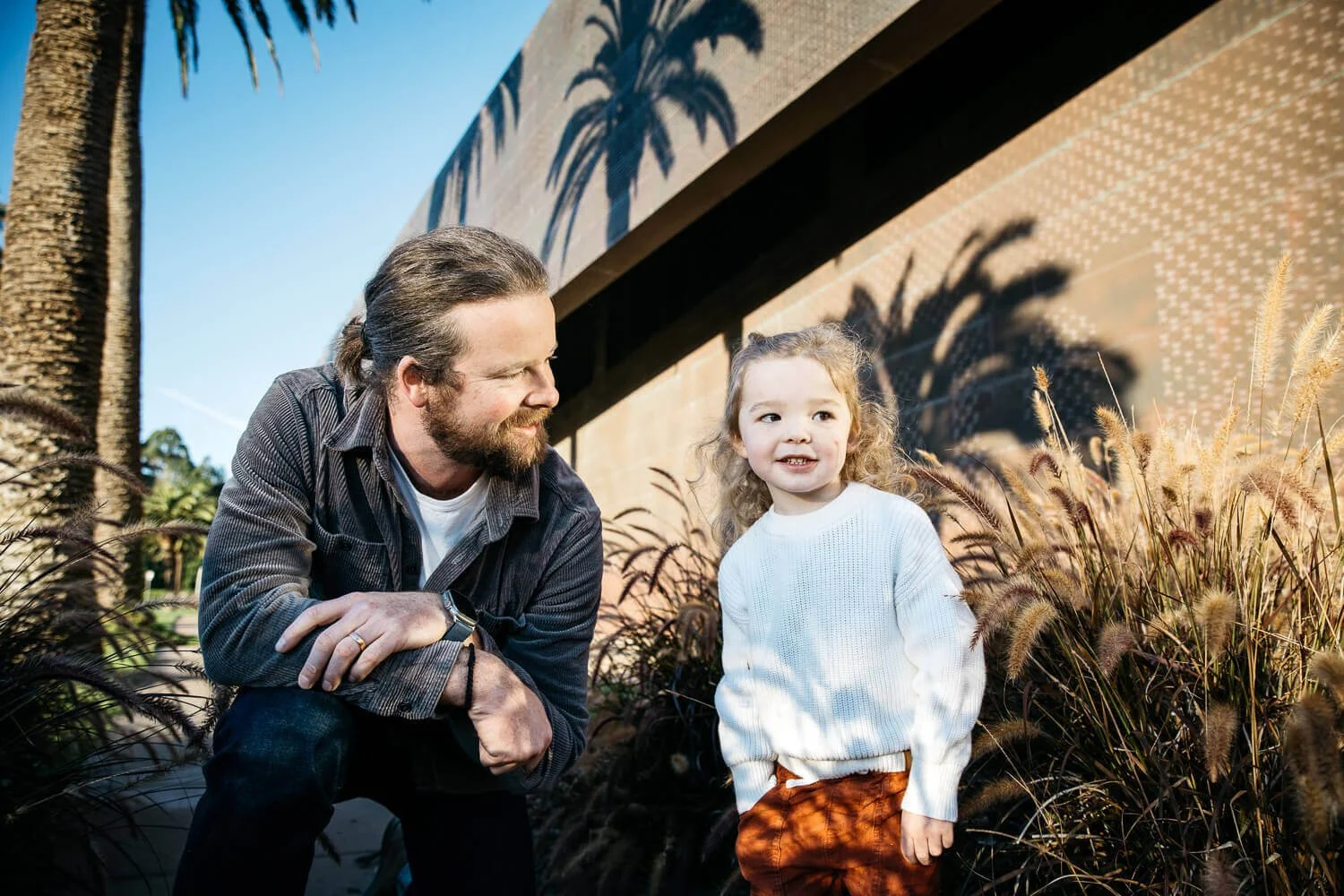
Early morning light on a clear day, creates illuminated subjects and defined areas of light and shadow. Shot at the deYoung Museum in San Francisco.
When I say I'm a natural light photographer, I mean I work exclusively with the available light in a given setting. Ultimately that means sunlight, but more practically that means:
Direct sun
Reflective light
Window light
Open shade
Diffused light
In other words, I don't use flash or other artificial lighting during my sessions.
Working with natural light takes a skill set most people don't think about. Knowing how to read light, how to position yourself and your subjects within it, and how to make adjustments in real time is what separates a photographer who says they use natural light from one who actually knows how to use it well.
There was a time when certain lighting situations genuinely scared me — harsh midday sun, deep shade against a bright background, backlit scenes that could easily blow out or go muddy. Over time, as I learned to really see light (its intensity, direction, color, where highlights and shadows met and where my midtones were), I stopped fearing those situations and saw them as creative opportunities. Don't get me wrong, I still time my sessions to optimize for the best light possible, but when I do find myself in unexpected light situations, I have a tool belt of skills I can apply to make the most of the available light.
What Impact Does Natural Light Have on Photography?
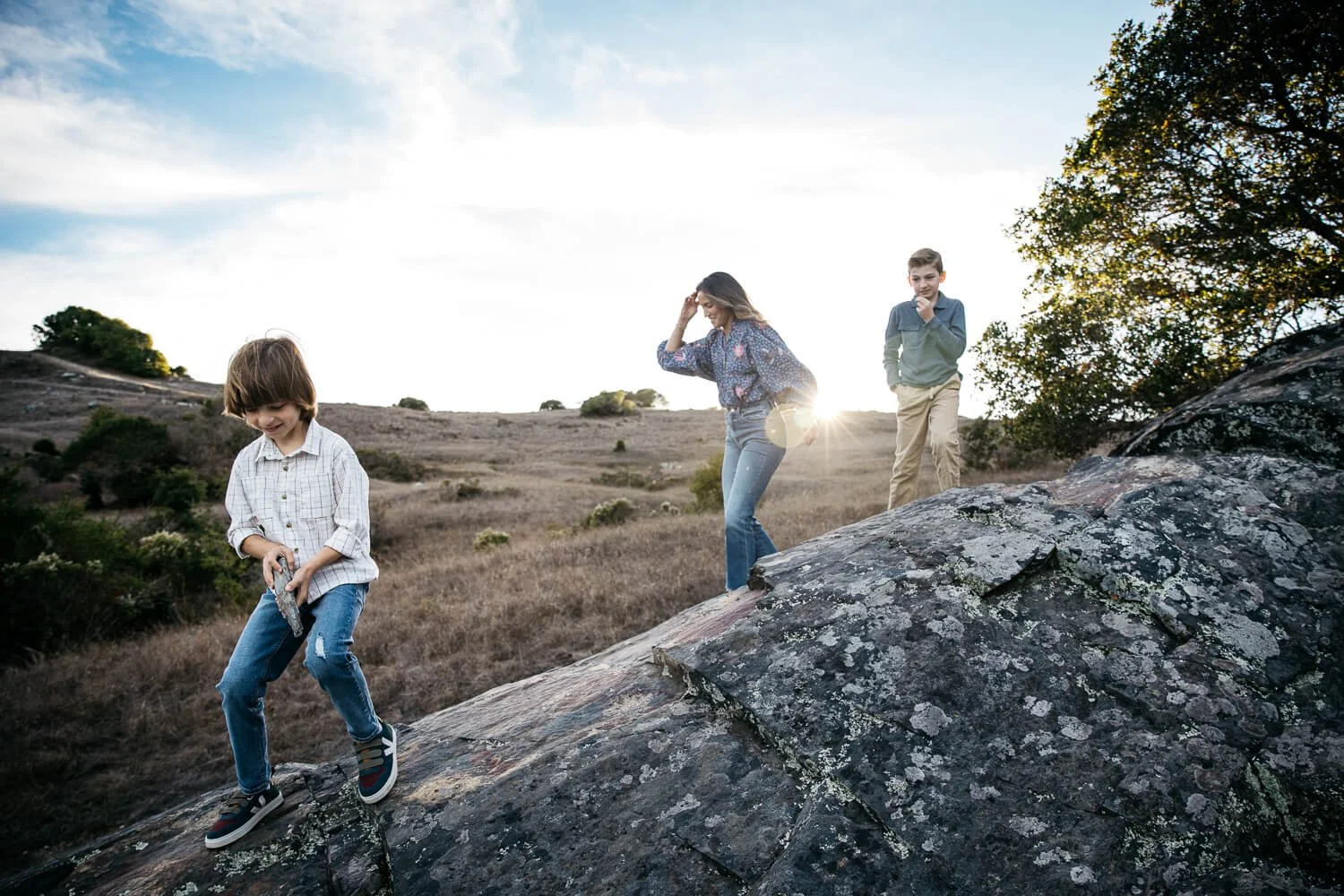
Moment of sunset behind the ridge line at Ring Mountain in Larkspur.
When photographers say "it's all about the light," that is not an understatement.
Light is the single biggest factor in how a photo feels. The same subject, in the same location, will look completely different depending on the quality and direction of the light. It affects:
Mood
Depth
Emotion
How flattering a photo is on your subject
Good light elevates a photo from being "fine" to feeling alive.
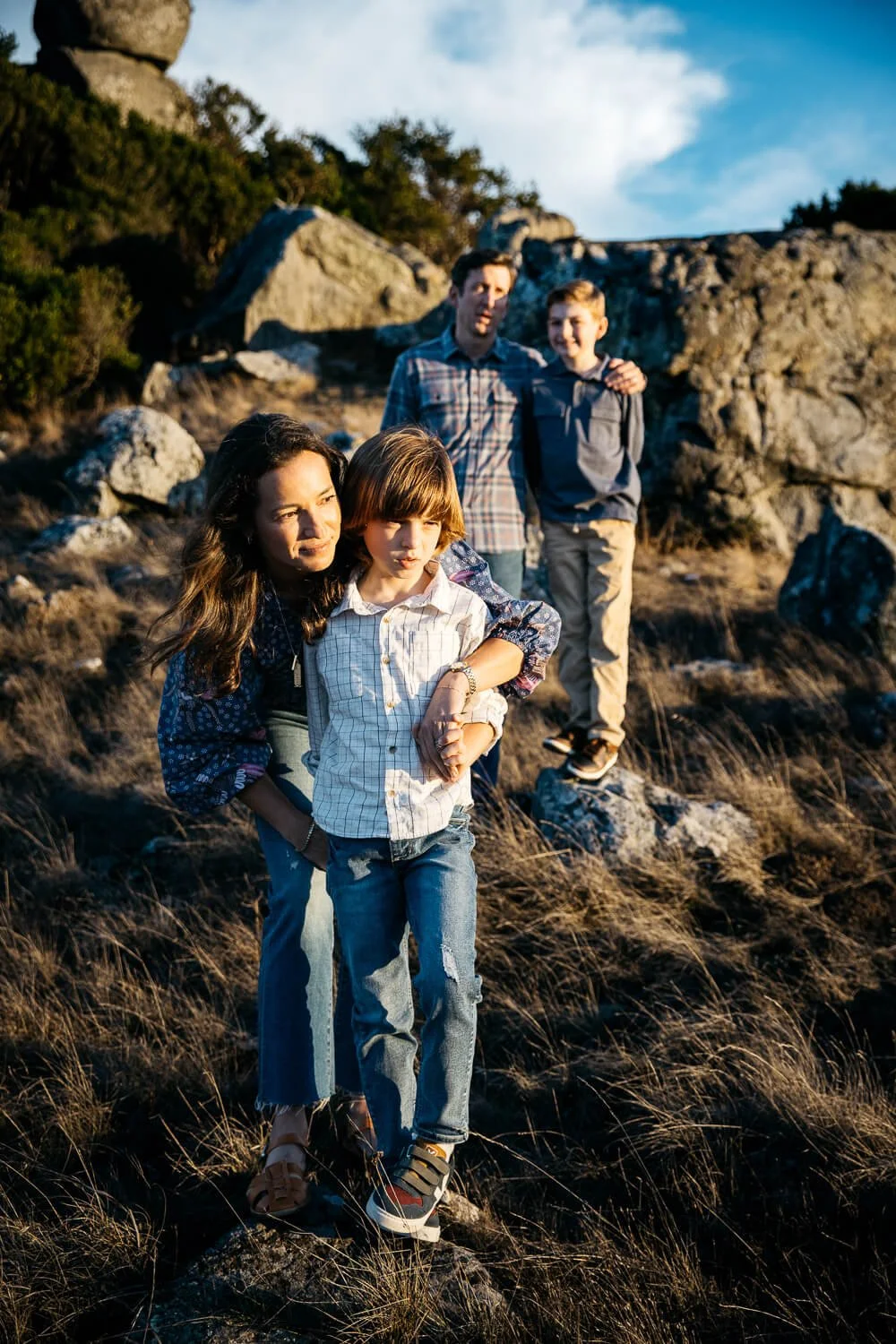
Warm golden light, front-lighting subjects just before sunset.
Our eyes recognize when something looks real. We unconsciously know whether light would fall onto something or someone in a particular way, and when we look at photography captured using a flash, we know that something about the images has an artifice to it. Natural light, when used artfully, has the ability to evoke emotion
and create mood. There is also some imperfection to using natural light, which makes photographs feel more alive and real.
How Does Natural Light Affect the Quality of a Picture?
Shooting Outdoors
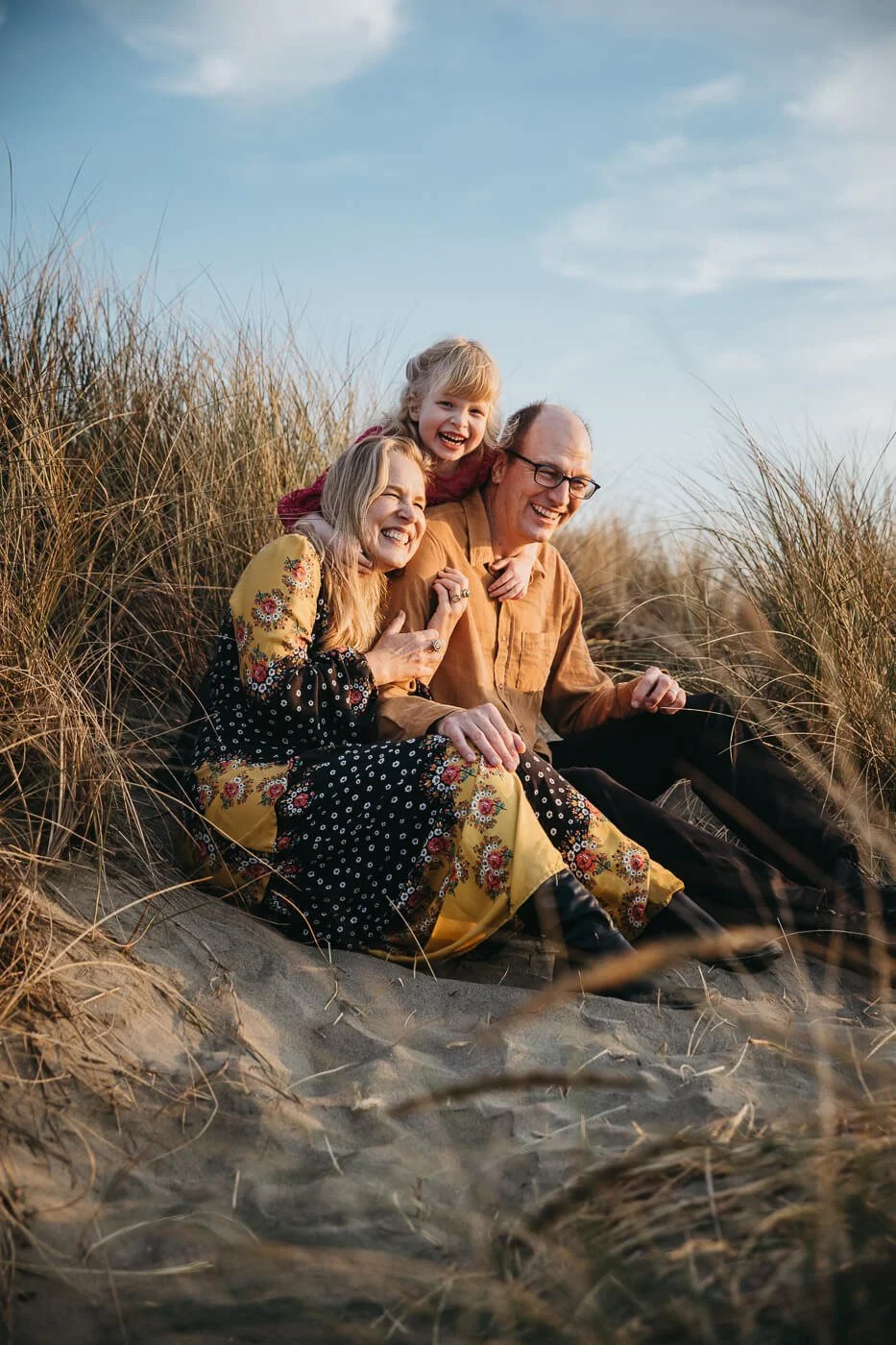
Golden sunset light at Ocean Beach in San Francisco.
Outdoor sessions give me a lot to work with, and I use all of it.
Time of day matters more than most people realize. The hour or two after sunrise and before sunset (what photographers call the magic hour or golden hour) produce warm, soft, flattering light that's hard to replicate at any other time of day. It's why I schedule outdoor sessions with this time window in mind, and why I'll push back when you ask if we can meet outdoors midday. 😉
Shooting during golden hour allows me to use directional light. When the sun is low on the horizon, I can light subjects from the front, the side, or use my beloved backlight — each creating a different mood:
Front light is even and clear.
Side light adds dimension and depth.
Backlight creates that gorgeous, luminous glow around your subject.
Using directional light requires knowing your camera settings inside and out. I'm constantly moving and adjusting, watching the light shift, repositioning you relative to the light source, reading the shadows. There's no formula for it, just a lot of paying attention.
Shooting Indoors
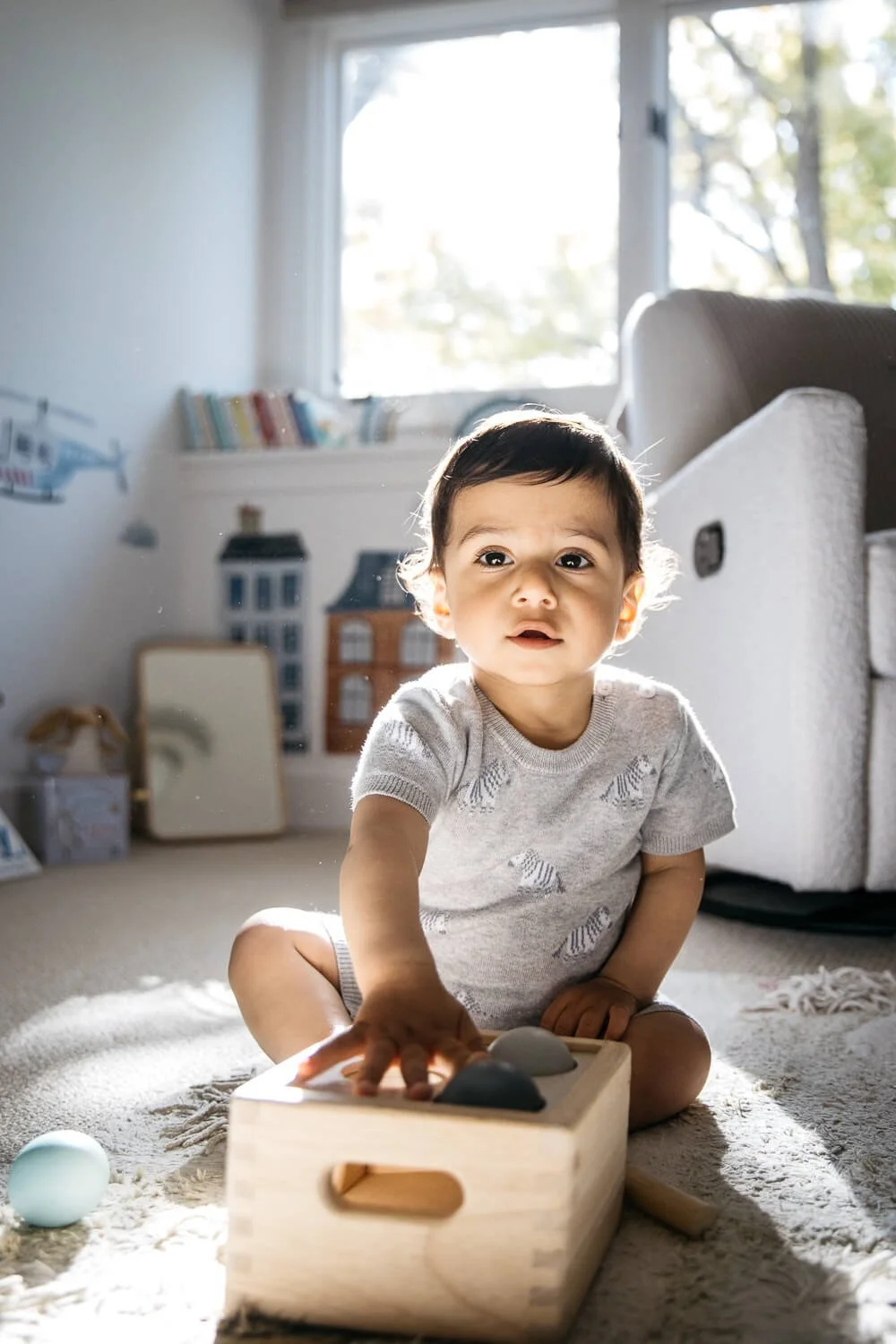
Baby plays in room while bright, mid-morning lights streams into window.
It’s no secret that I love doing family photo sessions at home. Indoor natural light sessions rely on window light, sliding glass doors, and skylights. The quality of that light can vary a lot depending on:
Time of day
Which direction your windows face
What the sky is doing outside (sunny vs. foggy vs. rainy)
Here in the Bay Area, we have seasonal variation in how light moves through a home:
A south-facing window will give different amounts of light in winter vs. summer.
A north-facing window consistently gives diffuse, relatively even light, though intensity diminishes in winter.
East- and west-facing windows are strongly impacted by time of day.
There are many different considerations I factor in when figuring out how to use natural light in a client's home, and the creative problem-solving is part of the fun. It's a creative constraint — and constraints always get my ideas flowing. Knowing how to adjust my camera settings based on the available light means I'm not guessing. I'm making intentional decisions to get the image I want.
Natural Light vs. Flash Photography: What's the Difference?
This is a common question, so let's dig into it.
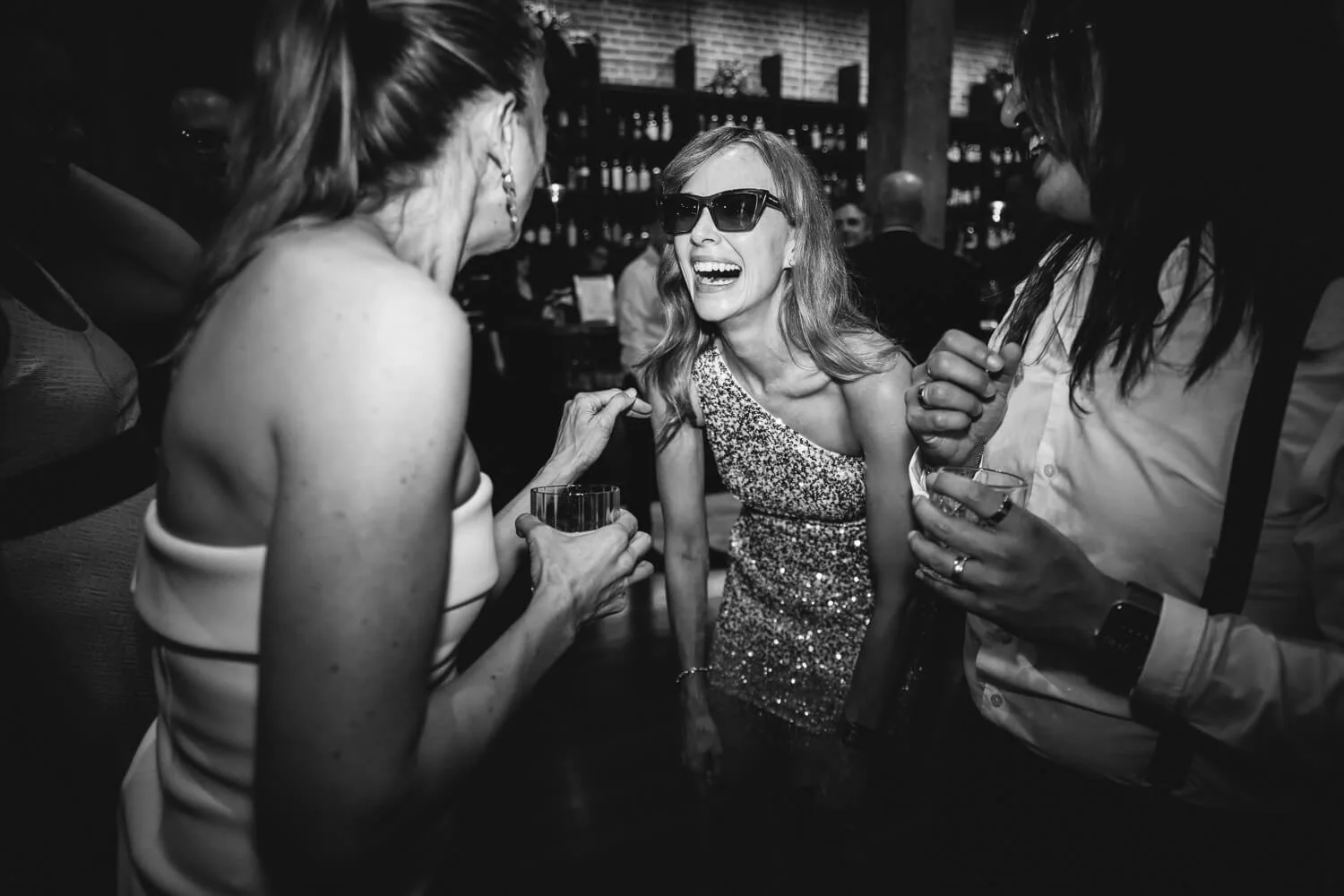
Sometimes a flash is needed, and when that happens, I try to make it fun.
Flash Photography
The photographer brings their own light source and fires it for each individual shot
Some photographers shoot exclusively with flash; some mix artificial and natural light
Allows precise control over where light falls and how intense it is
Can look beautiful, and sometimes even somewhat natural, when done well
Requires more technical precision and can be less forgiving
Great for controlled environments, dramatic looks, or low-light situations
More flexibility around time of day, since the photographer is making their own light
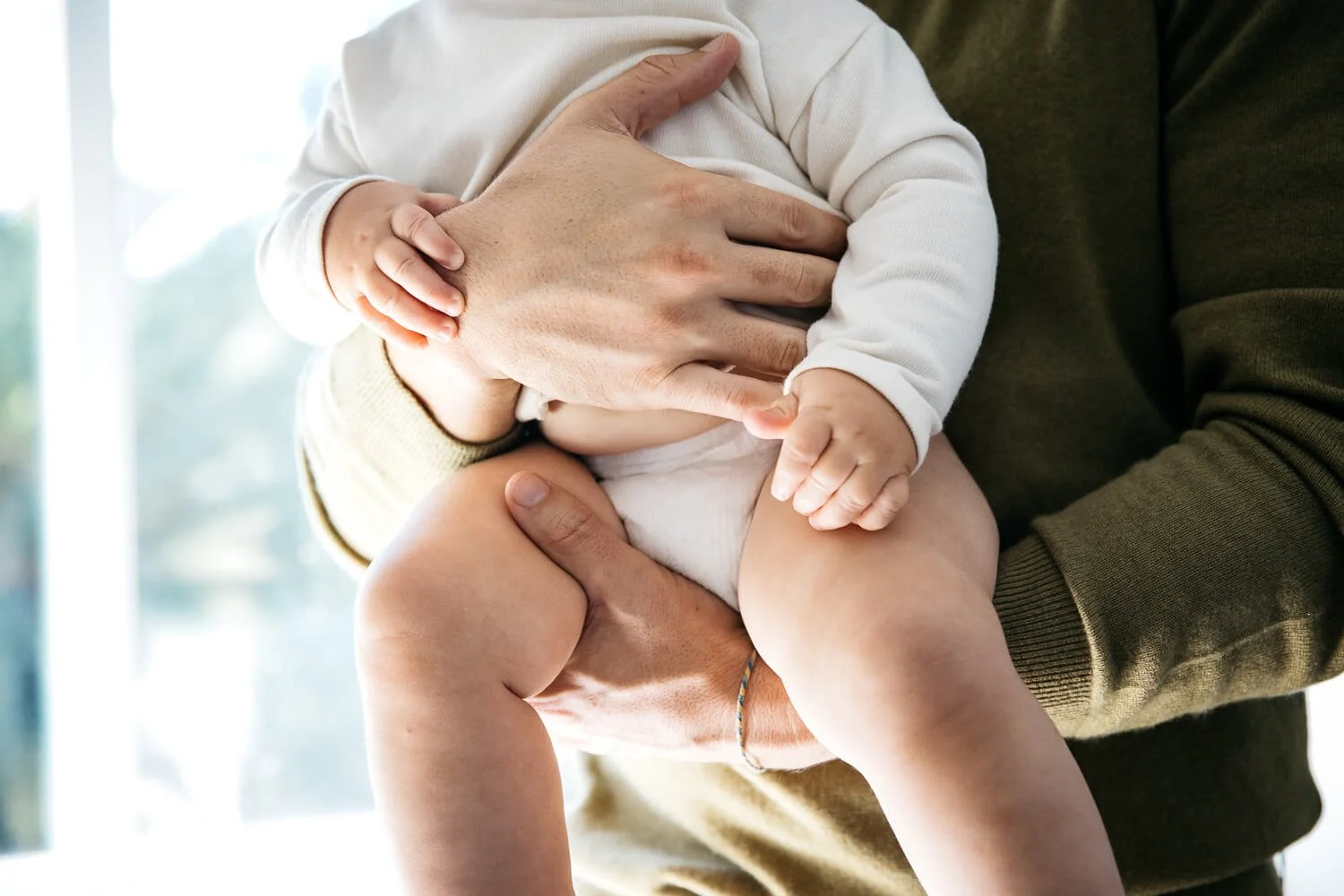
Dad and baby stand near window, as window light softly wraps around them.
Natural Light Photography
Works with whatever light already exists in the environment
Uses the sun, open shade, window light, and reflected light — shaping each shot around the light's direction and intensity
Sessions tend to feel more organic and less obtrusive
Fluid and improvisational in nature
Great for families, wiggly kids, sensitive newborns, and situations where you need to keep moving and stay connected to the moment
More dependent on time of day and weather
What's the Best Time of Day for Natural Light Photography?
Golden Hour (aka Magic Hour)
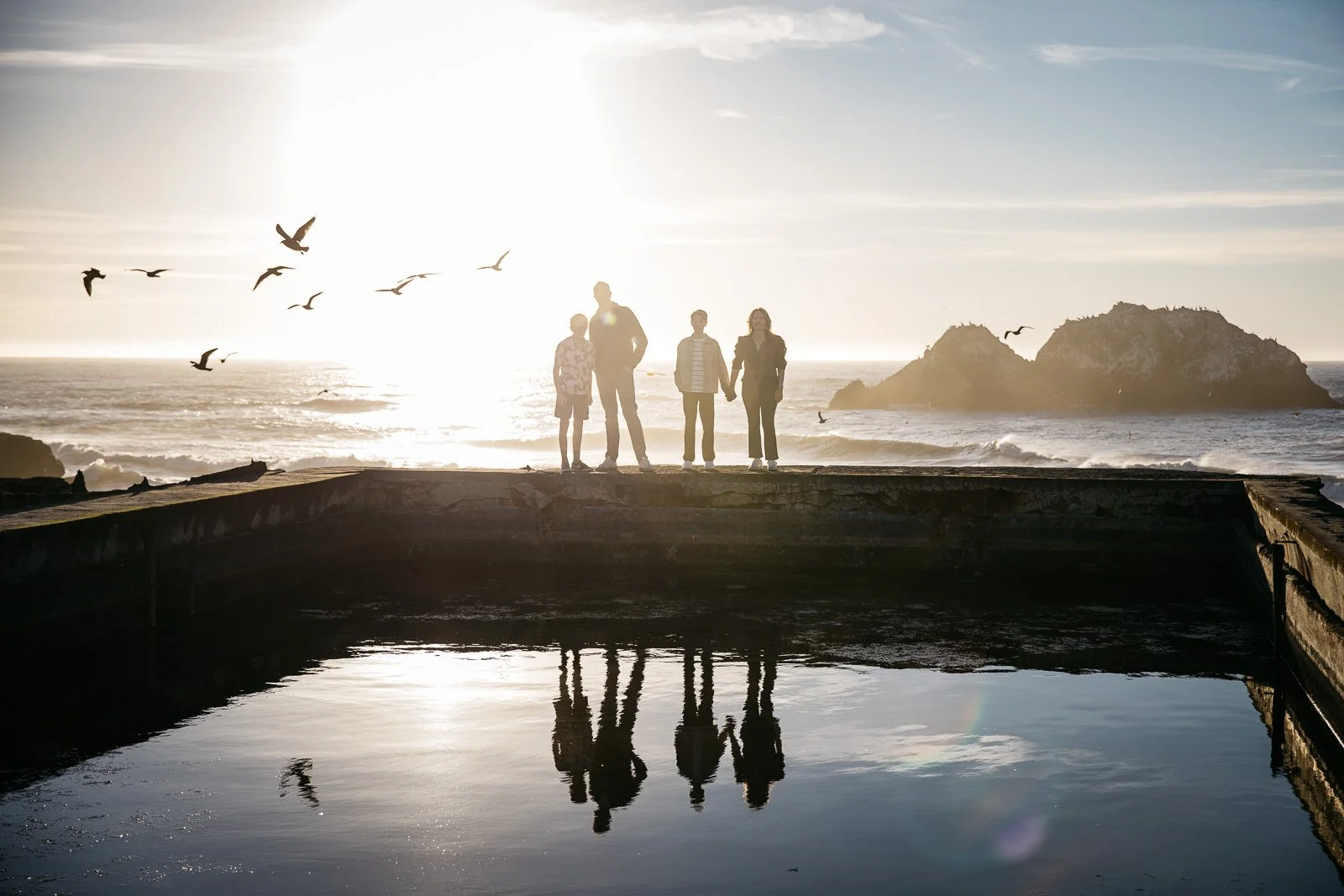
Sunset silhouette at Sutro Baths, with family and seagulls.
The hour or so after sunrise and before sunset is the gold standard for outdoor natural light sessions. I’ve written a lot more about how the time of day impacts the quality of light for outdoor photo sessions. The quick summary about why golden hour is best is:
The sun is low in the sky, allowing for directional light (front, side, and back light)
Light is warm, soft, and incredibly flattering
It wraps around people beautifully and creates that glow that's really hard to fake
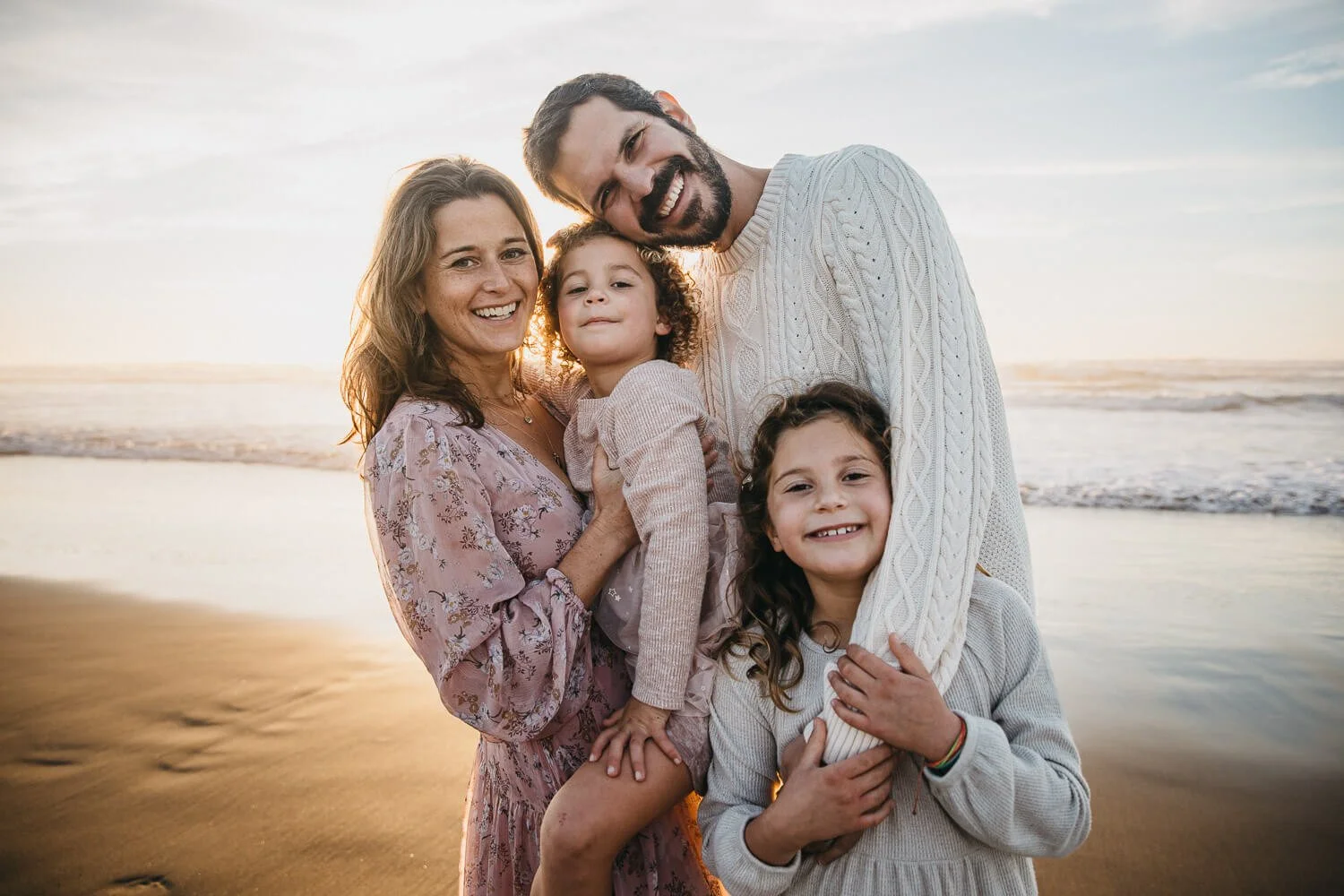
Golden sunset light at Ocean Beach in San Francisco.
Midday Sun
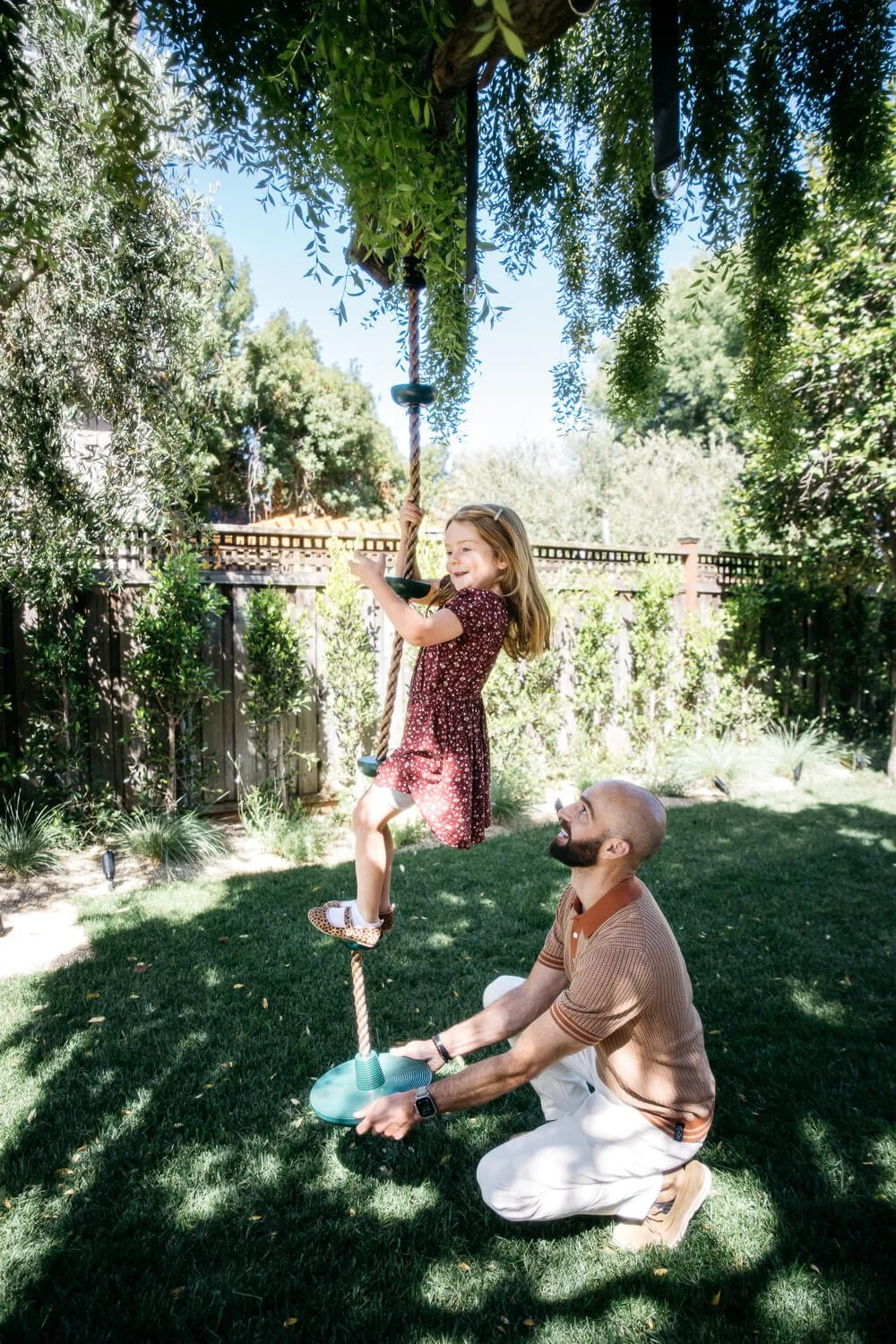
Midday light in this backyard required us to find shade and tree-diffused light.
Midday is typically pretty harsh:
The overhead position of the sun creates unflattering shadows under the eyes and nose
Makes people squint
Flattens skin tones
Light is often significantly more intense
If I'm forced to shoot midday, I have a few strategies:
Find open shade and work within it
Use light blockers (buildings, trees, hillsides) to filter the light and create pockets of shade
When all else fails, have people pop on sunglasses and embrace the full-blast sun look
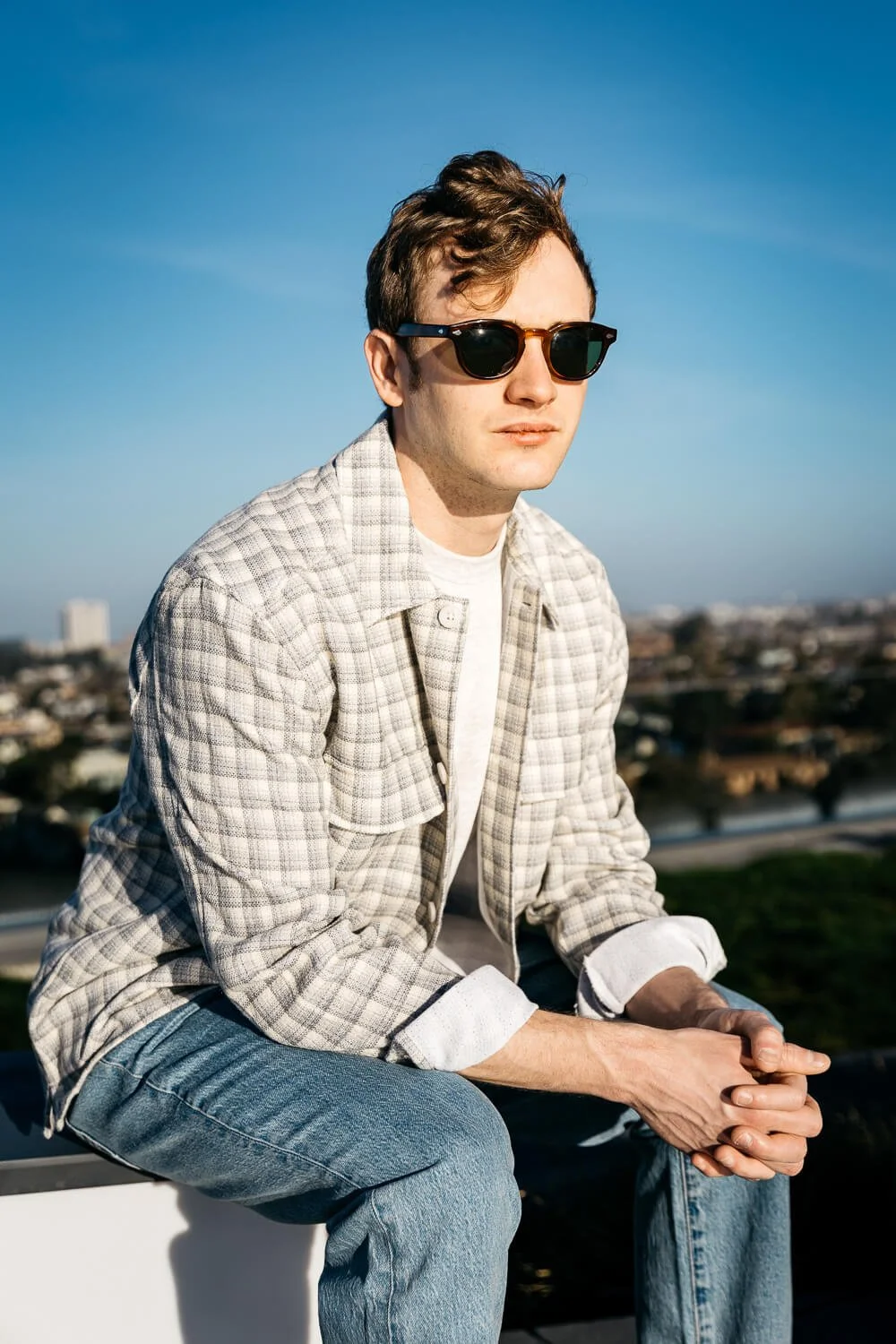
Embracing the full sun with rich colors and Ray Bans.
Other Considerations: Fog and Overcast Skies
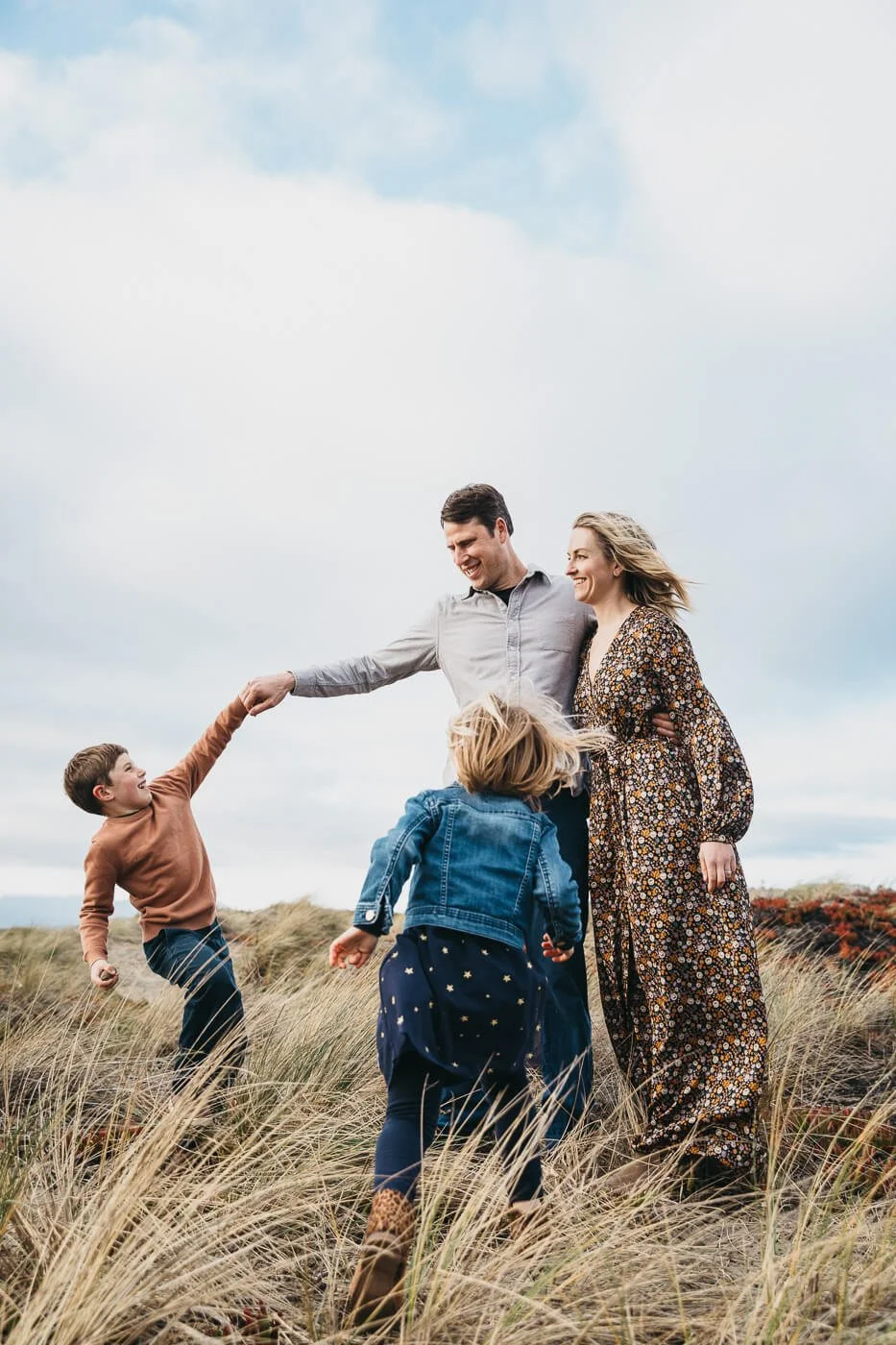
Overcast light made the colors rich and everyone’s skin evenly lit.
I often get asked if photos will still look good with fog or overcast skies. Honestly, I love fog!
Clouds act as a giant natural diffuser, creating even, soft light across your whole scene
Fewer (or no) harsh shadows
No squinting
Colors look more saturated
It's genuinely great shooting light, even if it doesn't feel "photogenic" to the untrained eye.
Good Light Is a Practice (Not Just a Setting)
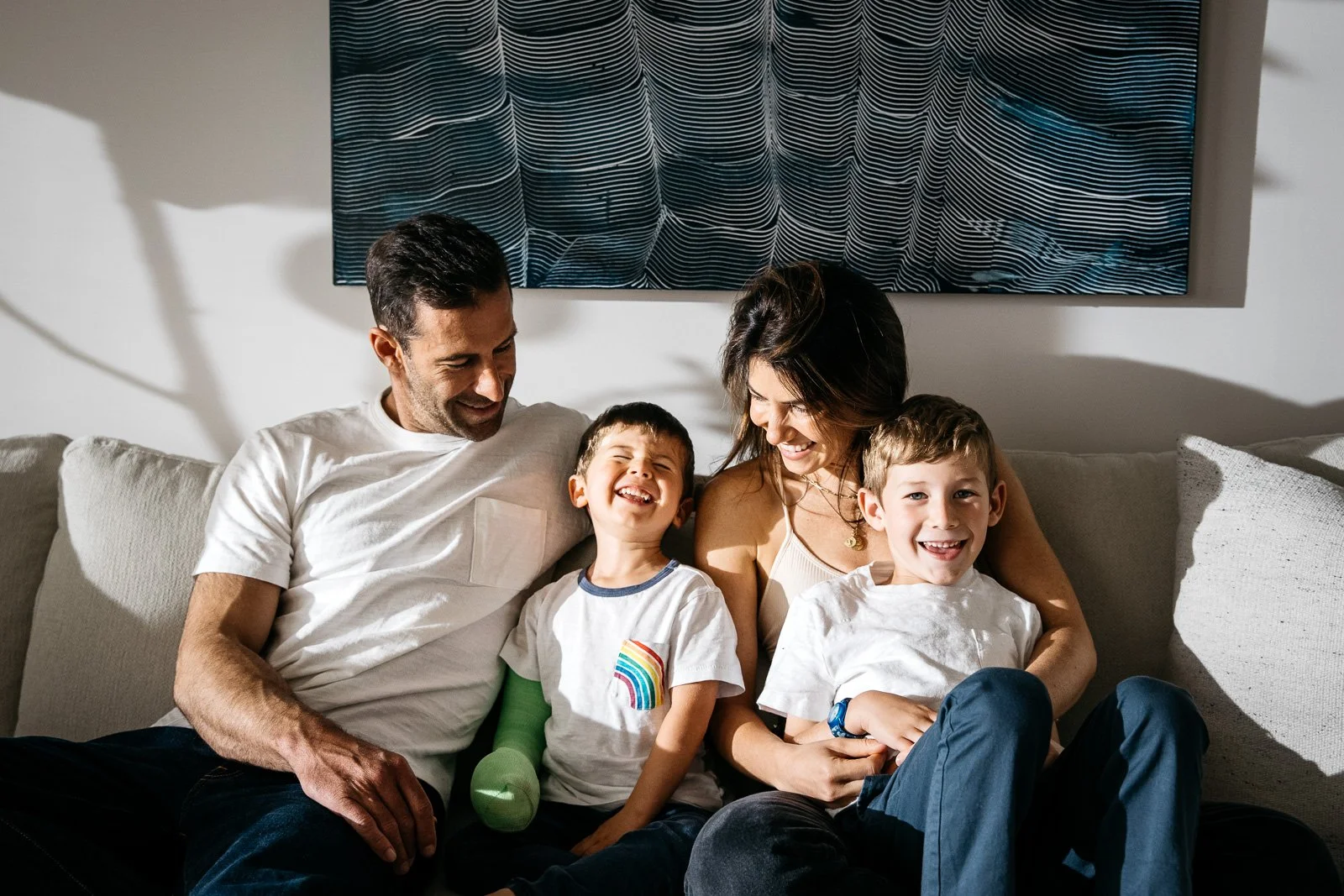
Finding amazing light inside clients’ homes is one of my favorite things.
I've been shooting exclusively with natural light for more than 15 years. At this point, I've put in my 10,000 hours and I do feel like I've earned my expertise. But the beginner's mind never really left.
I still notice light and shadow everywhere I go:
The way it falls on the side of a house at dawn
The illuminated corner in a coffee shop
The reflection cast in a shop window
The way the landscape lights up on a drive home
The wall in my living room at 4pm in winter when the sun comes in at just the right angle to make shadows of the Silver Dollar Eucalyptus outside
Learning to really see light and shadow changed how I make photos, and it changed what I'm able to give my clients.
If you've been curious about what a session with me actually looks like — from timing the shoot to what I'm doing behind the camera — I'd love to walk you through it. Reach out and we can talk through it all!
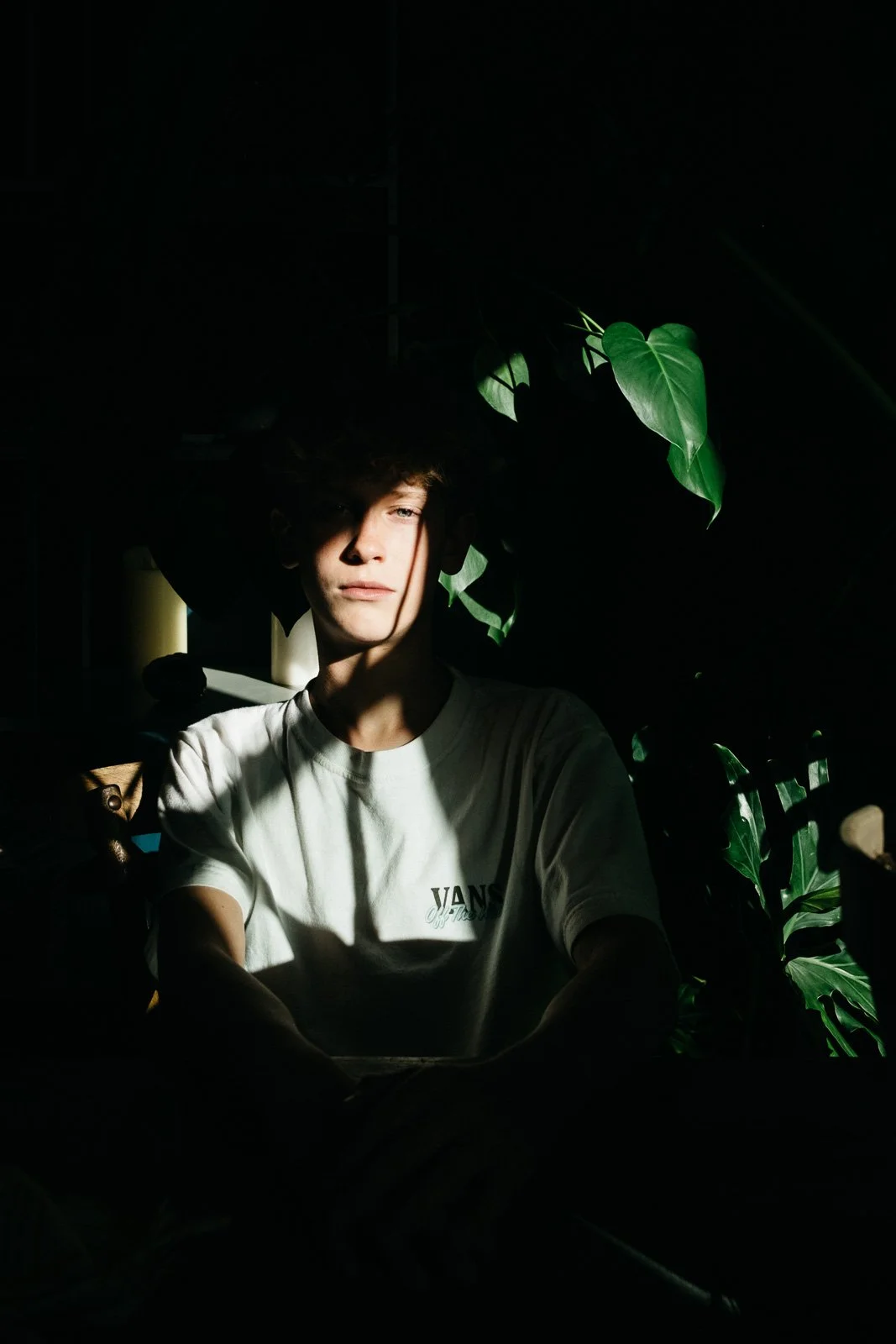
Sometimes my kids still allow me to photograph them in gorgeous natural light. 😉